
Since the Taliban’s return to power in 2021, Afghan women have faced mounting challenges, including the erosion of their rights and increasing marginalization. The UN’s women chief, Sima Bahous, delivered a stark warning to the Security Council, shedding light on the dire situation faced by Afghan women, particularly in the context of their mental health.
Rising Restrictions and Marginalization
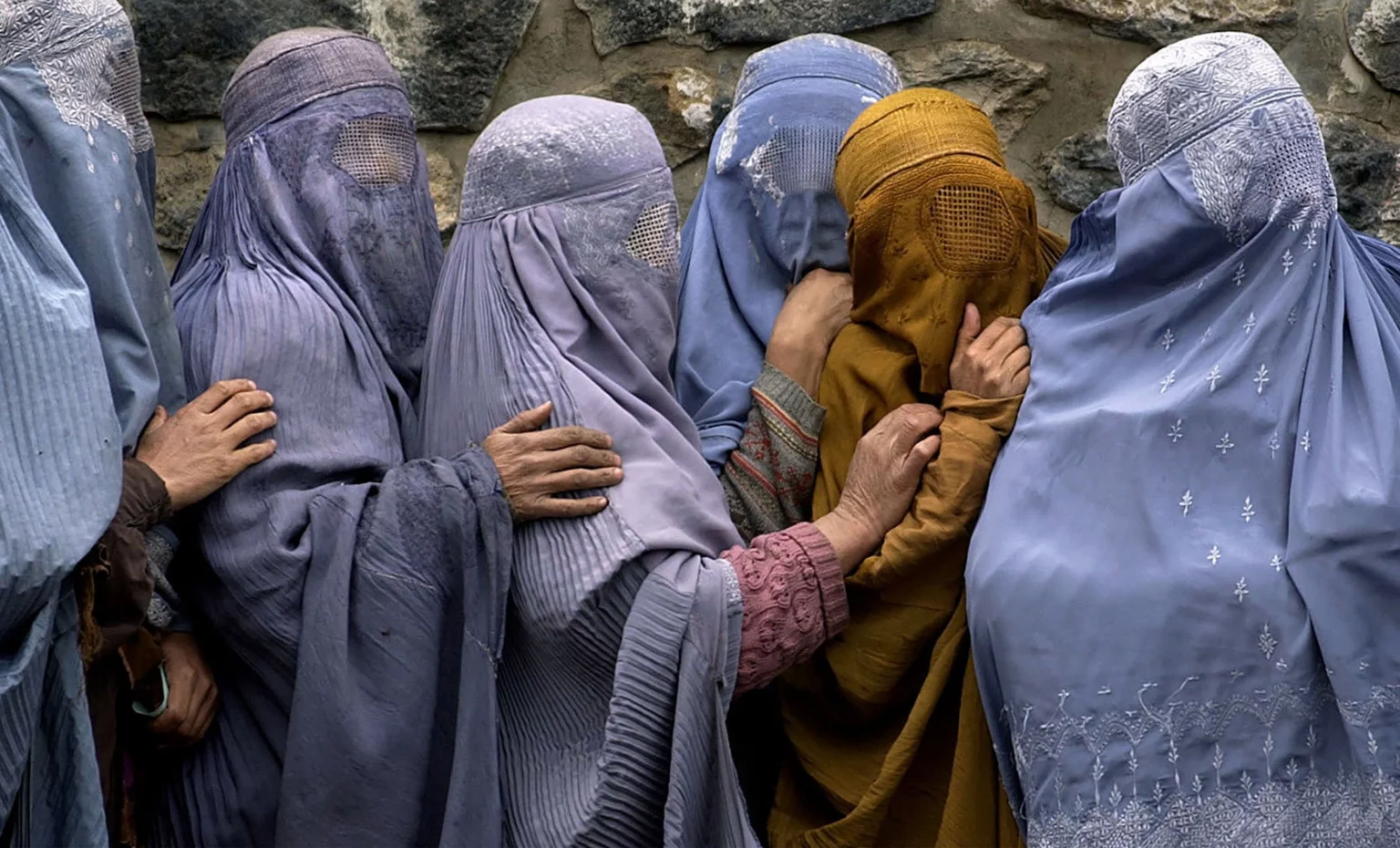
Under the Taliban’s rule, Afghan women have experienced severe limitations on their freedoms. They have been banned from attending schools, and public spaces such as parks and salons have been closed to them. Furthermore, women are denied the opportunity to work, exacerbating their isolation and dependence on male relatives.
Three Disturbing Shifts
Bahous highlighted three concerning shifts in the lives of Afghan women:
- Diminished Decision-Making Power: Women’s authority over decision-making has dramatically declined, not only at the national and provincial levels but also within their own communities, families, and even their own homes. Factors contributing to this decline include increased poverty, reduced financial contributions from women, the imposition of hyper-patriarchal gender norms by the Taliban, and women’s growing isolation.
- Enforced Restrictions: Restrictions on women’s freedoms are not only growing in number but are also being enforced more vigorously. Male family members are often held accountable by the Taliban for implementing these restrictions. This has led to a surge in child marriage and child labor.
- Mental Health Crisis: Concerns about the mental health of Afghan women are on the rise. With fewer women employed, 90 percent of young female respondents reported experiencing poor or very poor mental health. Suicidal ideation and suicide rates are increasing, reflecting the continuous fear and violence associated with being excluded from public life.
Urgent Call for Support
Bahous called upon donors to explore innovative ways to assist Afghan women and girls who have shown incredible courage and creativity in resisting these restrictions. She suggested avenues such as online support, cash assistance, scholarships, and facilitating safe migration.
Humanitarian Appeal
Despite these distressing developments, the UN’s $3.2 billion aid plan for Afghanistan in 2023 is only 28% funded, according to Roza Otunbayeva, head of the UN mission in Afghanistan (UNAMA). Insufficient funding has led to the closure of numerous critical programs, just as winter approaches, putting lives at greater risk. Urgent humanitarian support is needed to prevent a potential famine and alleviate acute food insecurity affecting 15.2 million Afghans.
Importance of Dialogue and Engagement
Regarding the question of engaging with the Taliban government, Otunbayeva stressed the necessity of dialogue, emphasizing that it does not equate to recognition. Dialogue and engagement are essential tools to influence and alter policies. She noted that while the Taliban government claims inclusivity, a growing legitimacy gap exists with the Afghan people. Domestic legitimacy is fundamental for international legitimacy, and both are crucial for Afghanistan’s future stability.