

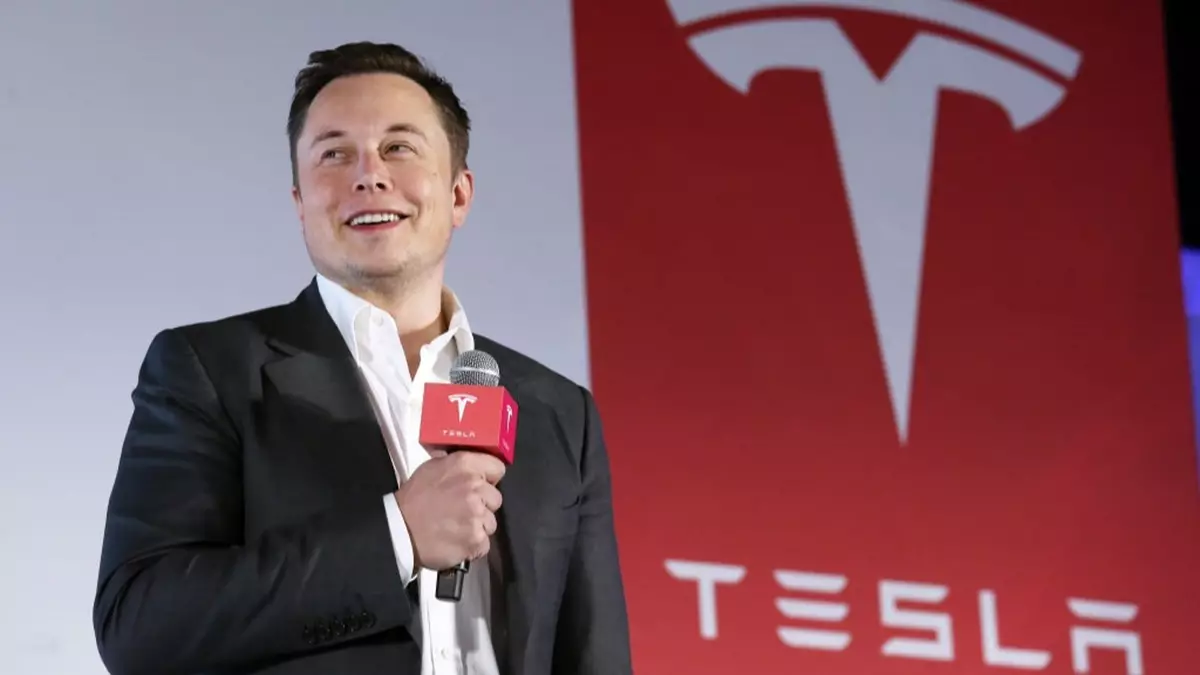
The Norwegian Sovereign Wealth Fund, the world’s largest with assets exceeding $1.6 trillion, has revealed it will vote against Elon Musk’s proposed $1 trillion Tesla compensation package at the upcoming shareholder meeting.
The decision comes just days before Tesla investors are set to cast their votes on a controversial incentive plan that could make Musk the world’s first trillionaire.
Norway’s Fund Opposes Record Pay Deal
In a public statement, Norges Bank Investment Management (NBIM), which oversees the fund and holds a $17 billion stake in Tesla, confirmed that while it recognizes the immense value Musk has brought to the company, it cannot support the size and structure of the proposed award.
“We remain concerned about the overall size of the award, the structure, and the lack of sufficient performance conditions,” the fund stated, emphasizing that it values fair and sustainable executive compensation.
NBIM currently ranks as Tesla’s seventh-largest shareholder, making its stance a significant blow to Musk’s efforts to secure shareholder approval.
What’s at Stake for Elon Musk
If approved, the compensation plan would allow Musk to receive new Tesla shares that could increase his ownership from 16% to 25%, provided he drives the company’s market value from roughly $1 trillion to $8.5 trillion within the next decade.
The pay package, first approved in 2018, was invalidated by a Delaware court earlier this year, forcing Tesla to seek a re-vote from shareholders.
Tesla’s Plea to Retain Musk
In a letter to shareholders, Tesla chair Robyn Denholm urged investors to vote in favor of the deal, warning that failing to do so could risk losing Musk’s leadership.
“This vote is about retaining Elon. Without him, Tesla’s value could be significantly diminished,” Denholm wrote.
However, opposition from major investors like Norway’s Sovereign Wealth Fund highlights growing concerns over corporate governance and executive pay transparency.
Rising Risk of Shareholder Rejection
The Norwegian fund’s decision adds to mounting pressure against the proposal and may influence other institutional investors to follow suit.
Analysts suggest that if the plan fails to secure enough votes, it could intensify uncertainty over Musk’s role at Tesla and its future strategic direction.
Tesla’s annual shareholder meeting is scheduled for later this week, where investors will determine whether Musk’s record-breaking pay package is reinstated.
Conclusion
While Elon Musk’s supporters argue his vision justifies the staggering compensation, Norway’s Sovereign Wealth Fund’s opposition underscores a broader debate about executive accountability and shareholder value in the modern corporate world.
As the vote nears, the outcome could mark a defining moment not only for Tesla’s leadership structure but also for how global investors shape the future of corporate pay standards.