


Every year on April 2, the world comes together to observe World Autism Awareness Day—a global initiative dedicated to promoting understanding, acceptance, and inclusion of autistic individuals in all aspects of society.
Established by the United Nations General Assembly in 2007, the day serves as a reminder that autism is not a limitation, but a different way of experiencing and interacting with the world.
Breaking the Stigma Around Autism
Despite growing awareness, individuals with Autism Spectrum Disorder (ASD) continue to face stigma, discrimination, and barriers to equal opportunities. Misconceptions—such as outdated beliefs linking autism to poor parenting or vaccinations—have been widely debunked by scientific research.
Promoting accurate, evidence-based information remains critical in challenging these harmful myths and fostering a more inclusive society.
Why Inclusion Matters
World Autism Awareness Day is not just about recognition—it’s about action. Advocates continue to push for neuro-inclusive environments across healthcare, education, workplaces, and sports.
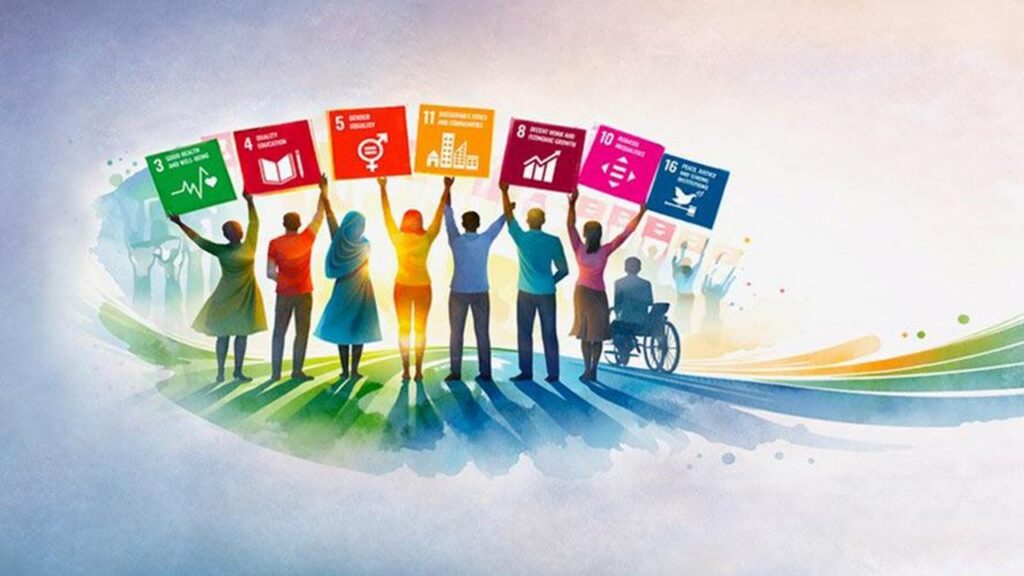
Access to quality healthcare and support services remains uneven, leaving many individuals without the resources they need to thrive. Addressing these gaps requires sustained commitment from governments, institutions, and communities alike.
The Importance of Early Support
Early diagnosis and professional intervention play a key role in helping autistic individuals develop essential life skills. With the right support systems in place, many can lead independent and fulfilling lives.
Inclusive education systems are equally vital. Schools that embrace diversity and adapt to different learning styles help create an environment where every child has the opportunity to succeed.
Strengths Within Neurodiversity
Autistic individuals often bring unique strengths to the table, including exceptional attention to detail, strong pattern recognition, and innovative problem-solving abilities.
Recognizing these strengths shifts the narrative from limitation to potential—encouraging workplaces to become more inclusive and benefit from diverse perspectives.
Global Efforts and the Road Ahead
Organizations like the World Health Organization are working to improve the quality of life for autistic individuals through better policies, research, and community-based support systems.
However, real change depends on collective effort. Building a truly inclusive society means removing barriers, ensuring equal opportunities, and celebrating differences rather than marginalizing them.
A Call for Understanding and Action
World Autism Awareness Day is a powerful reminder that inclusion starts with understanding. By challenging stereotypes, supporting policies that promote equity, and embracing neurodiversity, society can move closer to a future where everyone is valued for who they are.
Because awareness is just the first step—acceptance and action must follow.


