

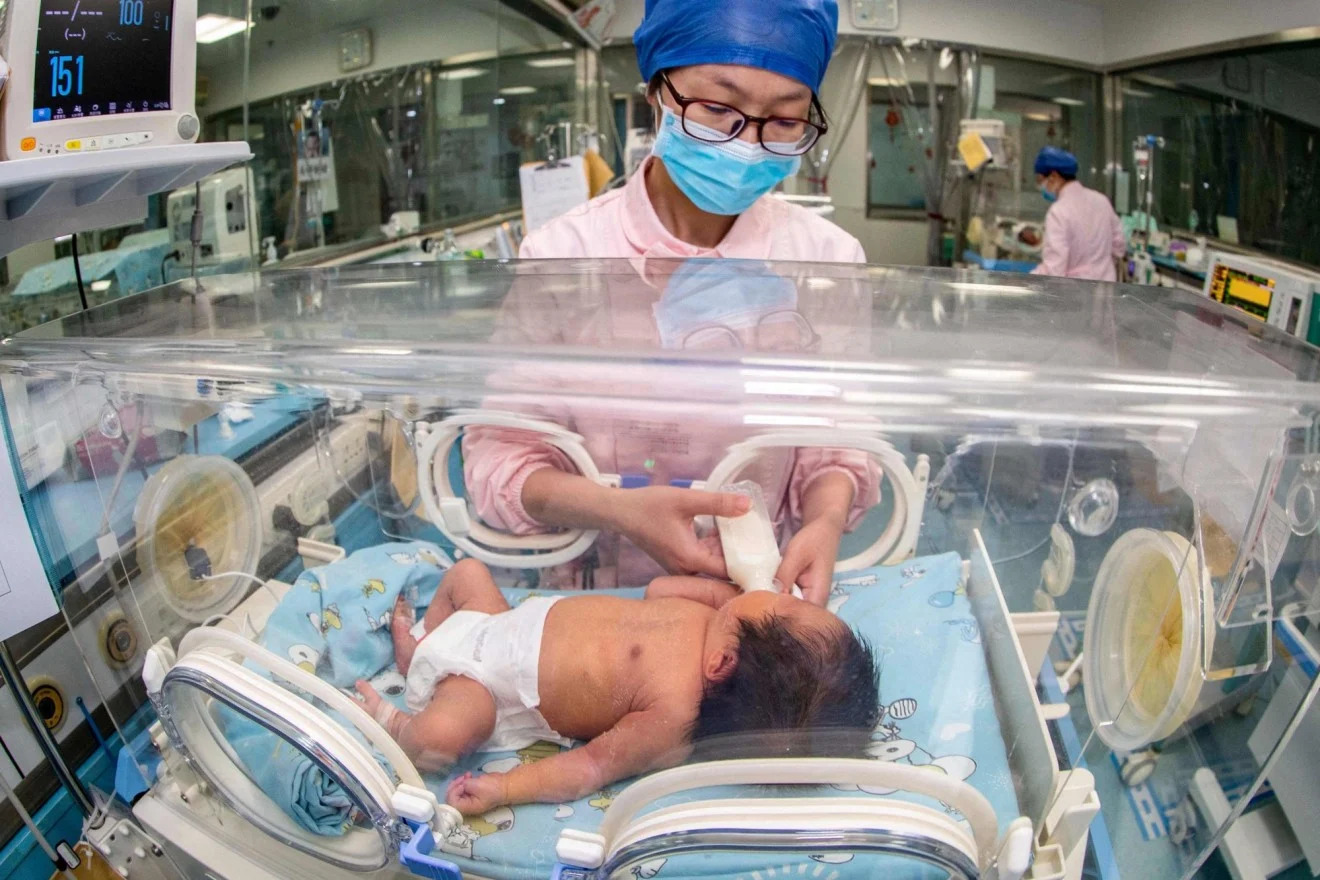
China’s fertility industry is increasingly turning to artificial intelligence (AI) to tackle the nation’s declining birth rates. BGI Genomics, a leading Chinese biotechnology firm, has developed AI-powered chromosome screening solutions that enable faster, more precise, and efficient in vitro fertilisation (IVF) procedures.
The AI technology scans embryos prior to implantation, helping doctors identify the ones most likely to develop into healthy pregnancies. This process detects chromosome imbalances, such as missing or extra chromosomes, which often result in miscarriages, failed IVF cycles, and genetic disorders.
How AI Enhances IVF Success Rates
Traditional preimplantation genetic testing relies on skilled specialists and time-intensive analysis. AI automates much of this work, detecting subtle genetic patterns that may go unnoticed by human analysts.
“By automating embryo analysis, clinics can make faster, more consistent decisions about implantation,” explains BGI Genomics. This innovation reduces the emotional and financial burden on patients, who often undergo multiple IVF attempts.
China is currently experiencing its lowest birth rate in history, despite the relaxation of family planning policies. Many couples are choosing to remain childless due to financial pressures, demanding careers, and societal changes. This has increased the demand for assisted reproductive technologies like IVF.
Fertility clinics benefit from AI integration by increasing patient capacity while improving treatment success rates. These advancements not only support clinic growth but also attract additional financial backing and strengthen market presence.
Ethical and Privacy Considerations
The use of AI in embryo selection raises significant ethical and privacy concerns. Genetic data is highly sensitive, and protecting it requires robust security measures. Chinese authorities are intensifying regulatory oversight to ensure AI systems comply with ethical standards and safeguard patient information.
With AI revolutionizing embryo screening, China’s fertility industry hopes to address its demographic challenges while offering families a higher chance of successful pregnancies.