

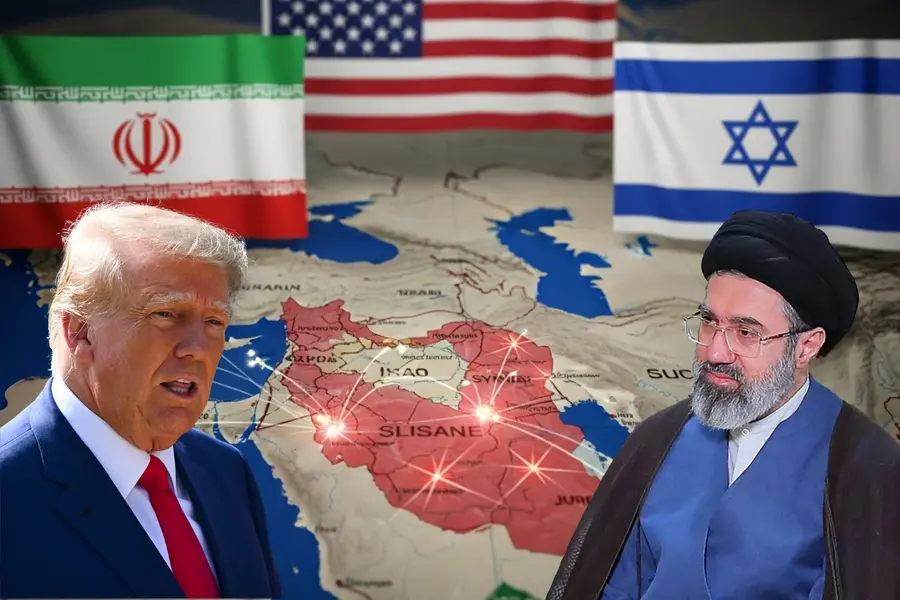
Fresh efforts to revive ceasefire talks between the United States and Iran are underway, with officials signaling that negotiations could resume soon despite ongoing tensions.
While no official schedule has been confirmed, early indications suggest that both sides are preparing for another round of high-stakes discussions.
Trump Signals Talks Could Happen ‘Within Days’
Former US President Donald Trump has hinted that new negotiations may take place in Islamabad within the next two days, raising expectations of a breakthrough.
At the same time, a White House official confirmed that a second round of talks is actively being considered, reinforcing the urgency of the situation.
Pakistan Likely to Host Key Negotiations
Islamabad is emerging once again as a potential diplomatic hub for these talks. Reports suggest that US and Iranian officials may return to Pakistan to continue discussions, although logistical details are still being finalized.
An Iranian Embassy official stated that talks could take place later this week or early next week, but emphasized that nothing has been formally agreed upon yet.
Why Previous Talks Failed
The earlier round of negotiations ended without a deal, with both nations blaming each other for the deadlock.
Iranian Foreign Minister Abbas Araghchi accused the United States of acting in bad faith, citing:
- Shifting demands
- Maximum pressure tactics
- Strategic blockades
These issues remain major sticking points in reaching any agreement.
Strait of Hormuz Blockade Escalates Crisis
Tensions have surged following the US decision to impose a blockade in the Strait of Hormuz, a crucial global oil shipping route.
According to US Central Command:
- No ships passed through the blockade in the first 24 hours
- Six merchant vessels complied with US orders and turned back
This development has raised serious concerns about global oil supply disruptions and economic instability.
Trump Defends Aggressive Strategy
Donald Trump defended the blockade, stating that such measures are necessary to prevent global exploitation.
He argued that allowing such actions would enable economic coercion on a worldwide scale, further justifying the US stance.
Ceasefire Deadline Adds Urgency
The current ceasefire agreement is set to expire on April 21, putting immense pressure on both sides to reach a resolution quickly.
With time running out, the upcoming days could prove critical in determining whether diplomacy succeeds—or tensions escalate further.