


A surprising new study has identified marital status as a potential “social determinant” of cancer, revealing that individuals who have never married face a significantly higher risk of developing the disease.
The findings suggest that social and lifestyle factors tied to marriage may play a more critical role in long-term health than previously understood.
Higher Cancer Rates Among Never-Married Individuals
According to the research, the difference in cancer incidence is striking:
- Never-married men have a 68% higher risk of developing cancer
- Never-married women face an even greater 85% increased risk
The association becomes even stronger in individuals aged 55 and older, indicating that the impact of social factors may build over time.
Certain types of cancers show even sharper disparities, with researchers pointing to factors such as differences in HPV exposure as a possible explanation.
Experts Urge Greater Awareness and Screening
Frank Penedo, co-author of the study from the University of Miami, emphasized the importance of proactive healthcare for those who are unmarried.
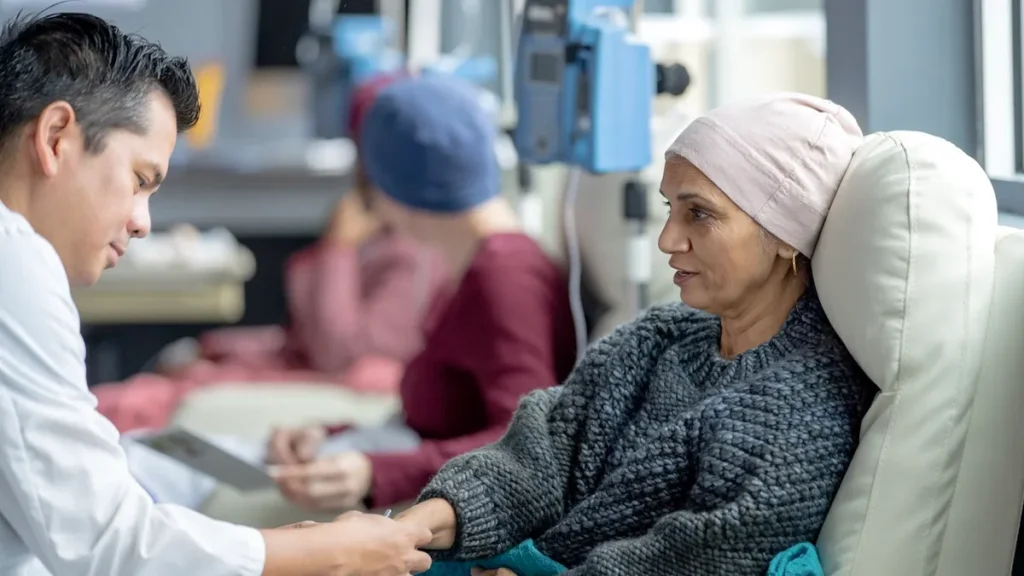
He noted that individuals who have never married should pay closer attention to cancer risk factors, stay consistent with medical checkups, and ensure they remain up to date with recommended screenings.
Why Marriage May Offer Health Benefits
For years, studies have linked marriage with better overall health outcomes, including:
- Lower rates of illness
- Longer life expectancy
- Better self-reported health
Experts believe these benefits stem from several factors, including strong social support systems and shared responsibility for health.
The Role of Social Support and Lifestyle
Marriage often encourages healthier behaviors and routines. Research suggests that married individuals are more likely to:
- Avoid excessive alcohol and tobacco use
- Seek regular medical care
- Follow through with screenings and treatments
Spouses frequently play a key role in reminding and supporting each other through healthcare decisions, from early diagnosis to treatment management.
Not a Reason to Marry—But a Call to Act
Despite the findings, researchers stress that marriage itself is not a solution to cancer risk.
Instead, the study highlights the importance of building strong support systems and maintaining proactive health habits—regardless of marital status.
For those who are unmarried, experts recommend:
- Staying vigilant about cancer risk factors
- Prioritizing regular screenings
- Maintaining a healthy lifestyle
The Bigger Picture
The research underscores a broader truth: health is shaped not only by biology but also by social connections and daily habits.
As awareness grows, experts hope these findings will encourage individuals—married or not—to take greater control of their long-term health.