
The United States has officially launched a long-awaited tariff refund system, triggering a rush of applications from thousands of importers seeking to recover billions in previously paid duties.
The system, operated by the U.S. Customs and Border Protection, went live on Monday at 8 a.m. Eastern Time, following a court order requiring the government to process refunds linked to previously invalidated tariffs.
Importers Rush to File Claims
Companies across multiple sectors began submitting claims as soon as the portal opened, with early users reporting minor technical glitches but overall functionality.
According to reports from industry professionals, the system was active but still stabilizing as demand surged immediately after launch.
Court Ruling Behind the Refunds
The rollout follows a major decision by the Supreme Court of the United States, which struck down tariffs introduced under a national emergency law.
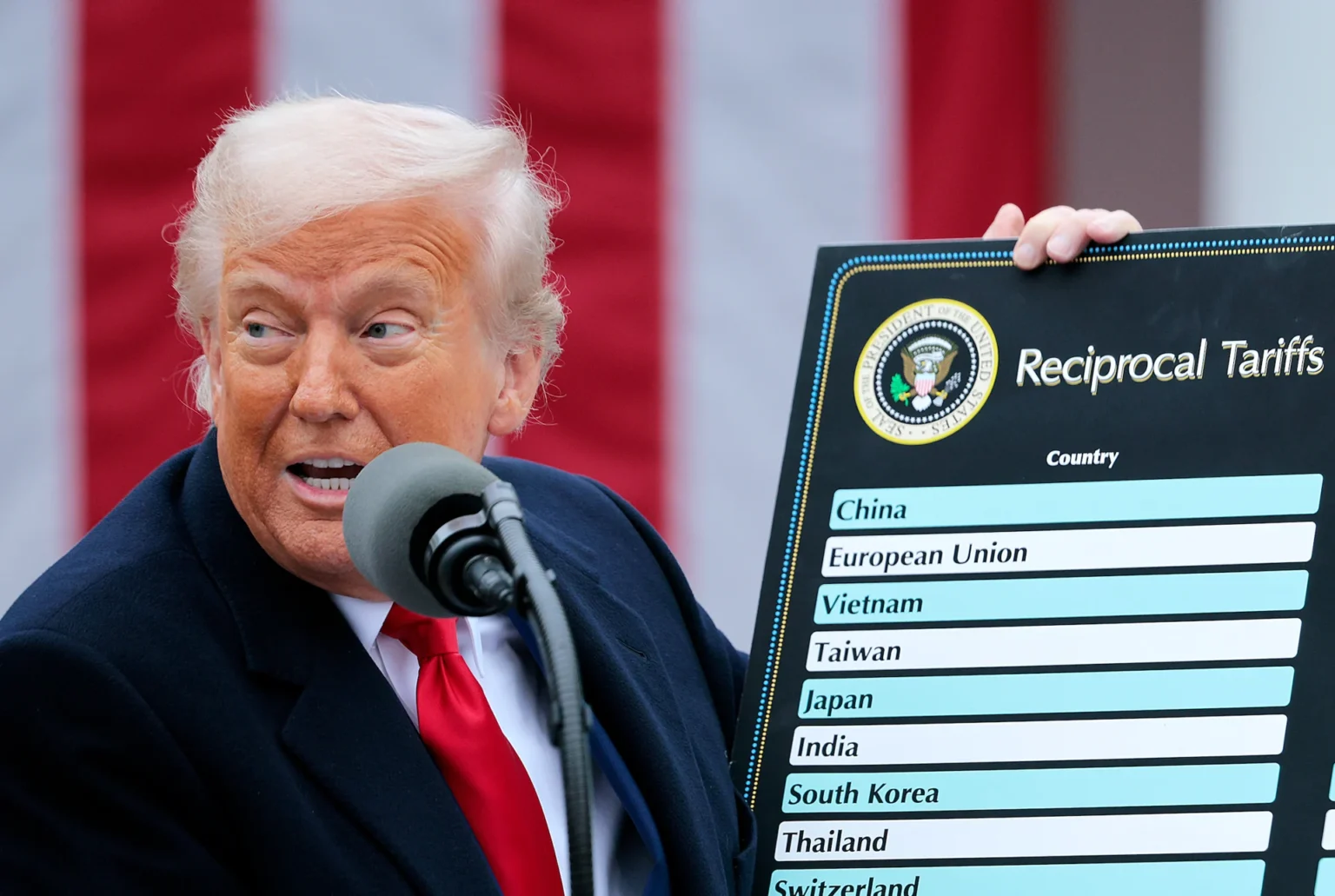
The ruling marked a significant setback for former President Donald Trump, whose administration had implemented the contested trade measures.
Billions in Potential Refunds
Court filings suggest that importers could be eligible for up to $166 billion in total refunds.
As of early April, more than 56,000 importers had already completed required steps to access reimbursements, with claims totaling over $127 billion—representing a significant portion of eligible funds.
In total, more than 330,000 importers reportedly paid tariffs across tens of millions of shipments affected by the ruling.
How the System Works
The refund process requires companies to submit detailed declarations of affected goods through the CBP portal.
If approved, refunds are expected to be issued within 60 to 90 days, though officials warn that processing times may vary depending on verification and technical factors.
Businesses Urged to Prepare for Delays
While the system is designed to handle large-scale claims, authorities caution that refunds may be rolled out in phases, with priority given to more recent payments.
Experts also note that delays are likely due to the complexity of verifying millions of import transactions.
Global Trade Impact
The tariffs at the center of the ruling had previously disrupted global supply chains, forcing companies to adjust pricing, sourcing, and logistics strategies.
The new refund system is expected to ease some financial pressure on importers, although reimbursement flow to customers may take longer to materialize.