

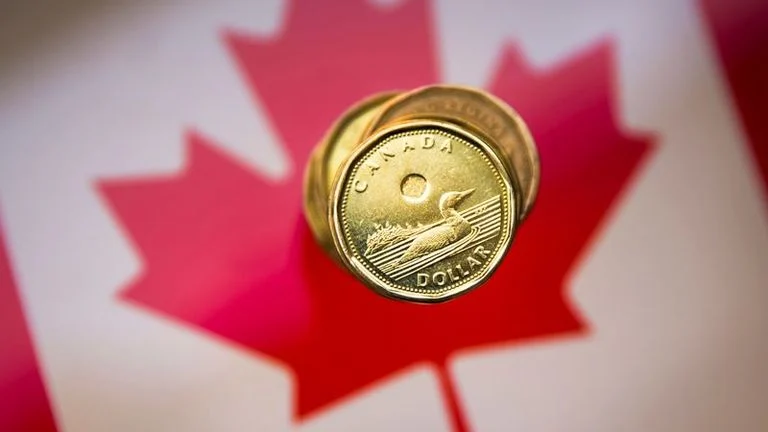
The Canadian dollar weakened to its lowest level of the week against the U.S. dollar, reflecting broader currency pressures and shifting investor sentiment in global markets.
The loonie traded down around 0.4%, moving near 1.3680 per U.S. dollar after earlier fluctuations between 1.3614 and 1.3691.
Currency Pressure Builds
Earlier in the week, the Canadian dollar briefly strengthened, reaching a near seven-week high before reversing gains.
Analysts from Scotiabank noted that while merger and acquisition news initially supported the currency, momentum quickly faded as broader market conditions took over.
Energy Sector Deal in Focus
A major development in Canada’s energy sector also influenced sentiment.
Shell announced a $16.4 billion agreement to acquire Canadian energy firm ARC Resources, a move seen as a significant endorsement of the country’s energy industry.
Despite initial optimism, the deal did not provide lasting support for the currency.
Fiscal Outlook and Government Focus
Markets are also closely watching an upcoming fiscal update from the government of Mark Carney.
Economists expect the update to show an improved budget deficit and rising revenues, though concerns remain over weak consumer spending and continued economic strain.
Broader Economic Pressures
Canada’s housing market slowdown, one of the longest in recent decades, continues to weigh on household spending.
At the same time, rising stock market wealth has created mixed signals for consumer confidence and economic stability.
Global Currency and Oil Influences
The U.S. dollar strengthened against major global currencies as markets awaited central bank decisions from both the Federal Reserve and the Bank of Canada.
Oil prices, a key driver for Canada’s economy, also climbed as supply concerns persisted, further influencing market volatility.
What Comes Next?
With interest rate decisions, fiscal updates, and global energy shifts all converging, analysts expect continued volatility for the Canadian dollar in the near term.
Market direction will likely depend on how economic data and central bank signals unfold in the coming days.