
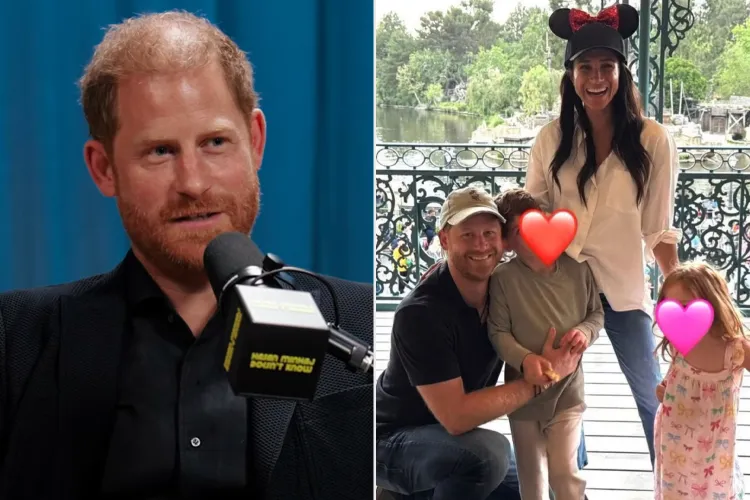
LOS ANGELES — Prince Harry, Duke of Sussex has opened up about how his own upbringing under intense public scrutiny has influenced the way he and Meghan, Duchess of Sussex are raising their children, Prince Archie and Princess Lilibet.
The Duke of Sussex emphasized a parenting style focused on emotional freedom, individuality, and breaking away from cycles of pressure he experienced growing up in the royal spotlight.
“Letting children be themselves”
A source speaking to PEOPLE magazine said Harry and Meghan are intentionally creating space for their children to develop distinct identities.
“They give their kids space to be themselves — for their different personalities to flourish,” the insider said. “After growing up so publicly, that was really important to Harry.”
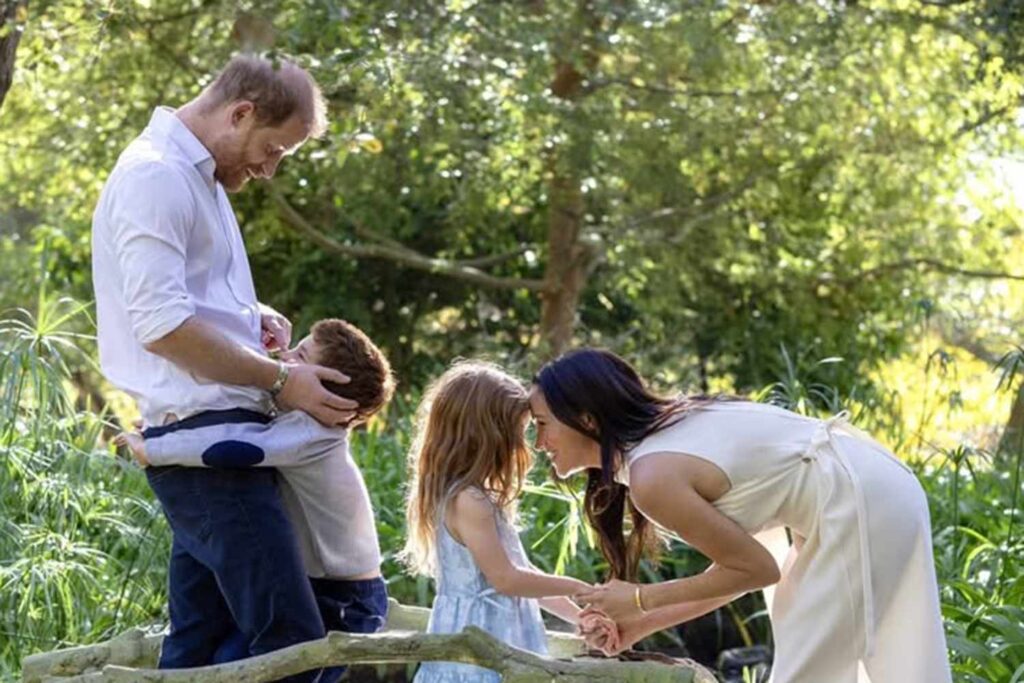
The approach reflects Harry’s long-standing concerns about media exposure and its impact on mental health, something he has frequently spoken about in interviews and public appearances.
Parenting lessons from Australia visit
Harry also recently spoke about parenting during a four-day trip to Australia in April, where he attended a Movember event focused on men’s wellbeing.
During the engagement, he reflected on how parenting has evolved compared to the generation of his father, King Charles III, and his late mother, Princess Diana.
“Our kids are our upgrade,” Harry said, explaining that modern parenting involves continuous learning and improvement rather than judgment or blame.
Therapy and healing before fatherhood
Harry also credited therapy as a major factor in shaping how he approaches fatherhood, stating that he worked through personal struggles before raising his children.
“Certainly, from a therapy standpoint, you want to be the best version of yourself for your kids,” he said.
He added that addressing past trauma was essential before becoming a parent, describing it as part of his journey toward emotional stability.
A modern royal parenting style
The Sussexes’ parenting philosophy continues to draw attention as they raise Archie and Lilibet outside traditional royal structures in the United States.
Their approach, centered on privacy, emotional wellbeing, and individuality, marks a clear contrast to the highly public nature of royal childhoods in previous generations.