

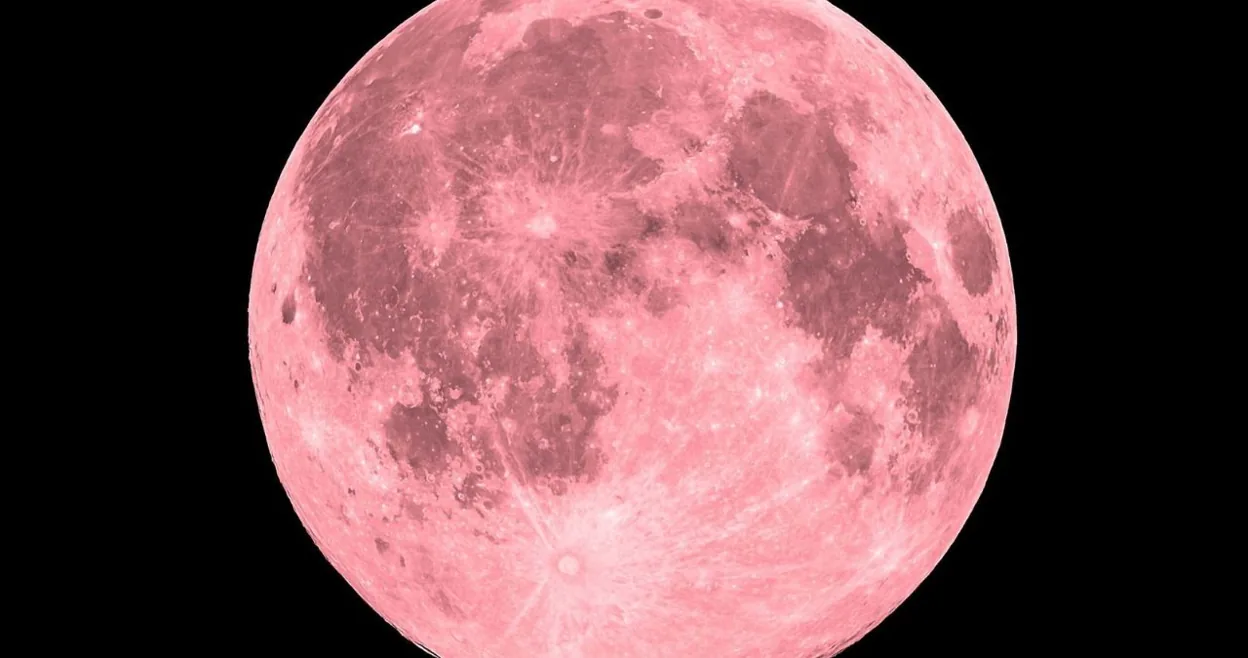
Skywatchers across the UK have a treat this April, as the full Pink Moon is set to reach its peak at 3:12 BST on Thursday, April 2, 2026. Despite its name, the moon will not appear pink; the title comes from a North American pink flower that blooms in early spring.
Rising on the evening of April 1, the moon is expected to glow with a warm orange hue. This effect occurs because sunlight passes through a denser part of the Earth’s atmosphere, scattering blue and violet light while leaving redder tones to color the lunar surface.
Seasonal and Cultural Significance
The Pink Moon is part of an ancient tradition of naming moons to track seasonal changes. Across the globe, other names include the Sprouting Grass Moon, Egg Moon, Fish Moon, and Breaking Ice Moon, all heralding the arrival of spring.
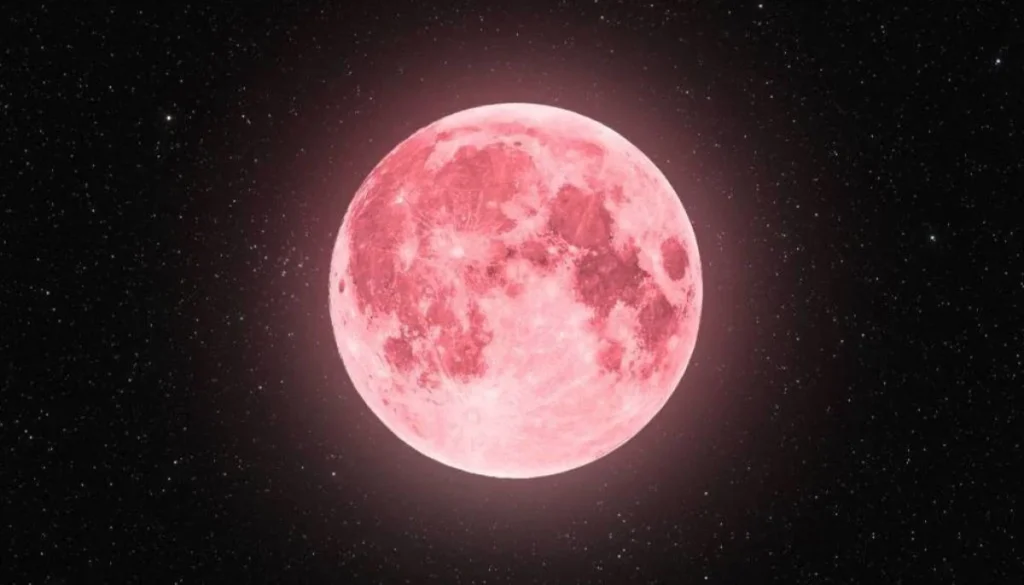
The timing of Easter is closely tied to lunar cycles, falling on the first Sunday after the first full moon following the spring equinox. While the astronomical equinox varies between March 20 and 21, the Christian Church uses a fixed date of March 21. This can lead to variations in Easter dates worldwide, particularly for Orthodox celebrations.
Best Viewing Tips
A cold front is expected to bring cloud and rain to England and Wales on the night of April 1, which may obscure the moon. For clearer skies, skywatchers are advised to head to Scotland or Northern Ireland, where cooler temperatures and less cloud cover increase visibility.
This lunar event also highlights the importance of the moon in the Jewish calendar, where each new month begins with the new moon, and the full moon marks the midpoint of the lunar month.
Whether you’re an astronomy enthusiast or simply enjoying the beauty of spring, the April Pink Moon offers a magical glimpse of nature’s seasonal rhythms.