
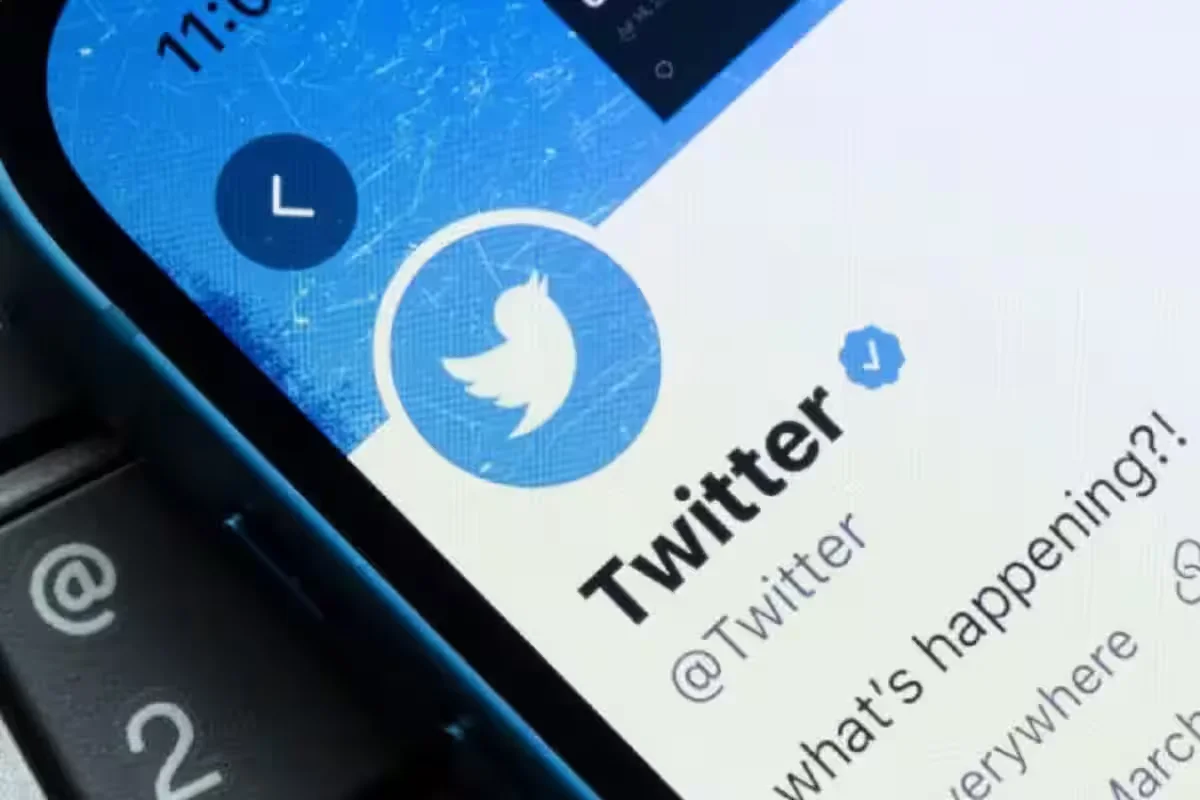
The New York Times has lost its blue verification badge on Twitter after refusing to pay for it. Twitter recently announced that verification badges would be part of a paid subscription from April 1st, and accounts that don’t pay for the tick will have their badges removed. The New York Times, along with other organizations and celebrities, have opted not to pay for the tick, prompting criticism from Twitter owner Elon Musk.
Musk launched a volley of insults at the newspaper, stating on Twitter that “the real tragedy of @NYTimes is that their propaganda isn’t even interesting.” He went on to describe their feed as “the Twitter equivalent of diarrhea. It’s unreadable.” There has been no official comment from Twitter on the matter.
Under the new rules, blue verification badges that once indicated official, verified accounts will start to be removed from accounts that don’t pay for them. Organizations seeking verification badges must pay a monthly fee of $1,000 (£810) to receive a gold verification tick, while individual accounts must pay $8 (£6.40) a month for a blue one. The subscription service will generate revenue for Twitter, but concerns have been raised that without the verification process, it will be difficult to tell genuine accounts from impersonators.
The New York Times said it would not pay for the verification of its journalists’ Twitter accounts, except in “rare instances where this status would be essential for reporting purposes,” according to a spokesperson. The newspaper, which has almost 55 million Twitter followers, has lost its verification badge. It’s unclear whether all organizations must sign up for the subscription service to remain verified, but an internal Twitter document cited by The New York Times reports that 10,000 of the most-followed organizations on Twitter will be exempt from the rules.
Twitter has introduced three different colored verification badges since December: gold ticks for business organizations, gray ticks for government-affiliated accounts or multilateral organizations, and blue ticks for individual accounts. Many news organizations, including CNN, the Los Angeles Times, and the Washington Post, which have also said they will not pay for Twitter verification, now have gold ticks. Other New York Times accounts, such as New York Times Arts and New York Times Travel, also have the gold badge.
The removal of blue verification badges appears to be happening gradually. This may be because it’s largely a manual process, according to The Washington Post, citing former employees of the company. Celebrities like American basketball great LeBron James and US rapper Ice-T, who have also criticized the new fee-paying system, still have blue verification badges.
As social media becomes an increasingly important platform for news organizations, the issue of verification is critical. While Twitter’s new subscription service is aimed at generating revenue, it raises questions about how the platform will ensure that verified accounts are trustworthy and legitimate. As Twitter continues to evolve, it will be important to find a balance between revenue generation and maintaining the integrity of the platform.