

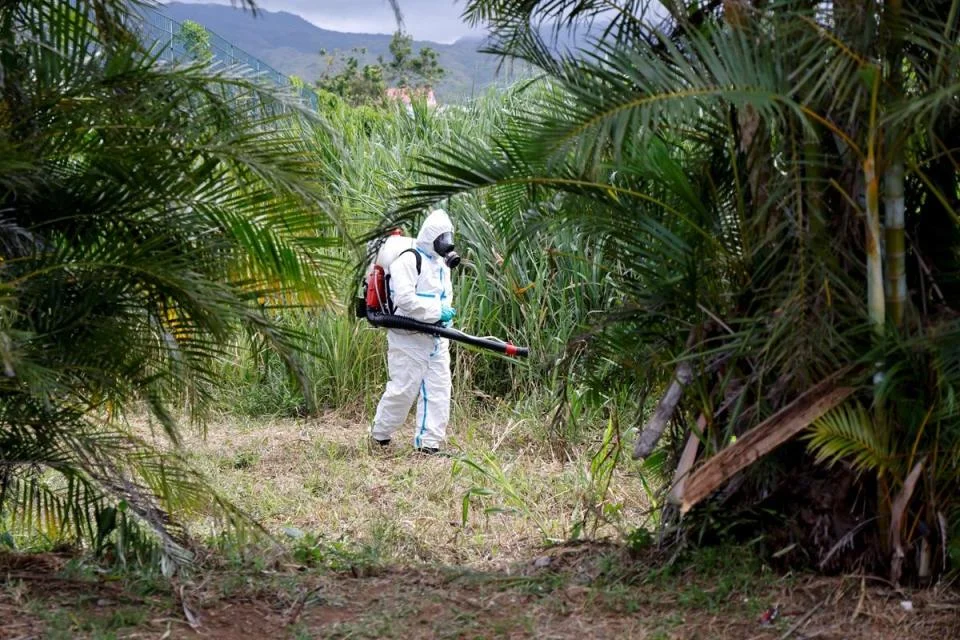
The World Health Organization (WHO) has issued a critical warning about the growing threat of a global chikungunya virus epidemic, urging nations to act swiftly to prevent a crisis similar to the one seen two decades ago.
Chikungunya Cases Rising Across the Globe
Chikungunya, a mosquito-borne viral illness, causes severe fever and joint pain, and in some cases, can become fatal. WHO officials are raising concerns after observing a pattern strikingly similar to the 2004–2005 outbreak, which spread from small island nations across the globe, affecting hundreds of thousands.
“Chikungunya is not widely known, but it’s already been detected in 119 countries, putting an estimated 5.6 billion people at risk,” said Dr. Diana Rojas Alvarez, WHO’s lead on arboviral diseases.
Current Outbreak Mirrors Past Epidemic
Speaking at a press briefing in Geneva, Dr. Rojas Alvarez highlighted recent surges in cases in Indian Ocean territories. “Since early 2025, Reunion, Mayotte, and Mauritius have reported major outbreaks. On Reunion Island alone, up to one-third of the population is estimated to have been infected,” she revealed.
She further emphasized that the virus is now spreading to regions like Madagascar, Somalia, and Kenya, and that epidemic-level transmission has been recorded in South Asia. In Europe, imported cases linked to the outbreak have been identified in France and Italy, with France already confirming local transmission.
“These are the same red flags we saw in 2004. We must act now to avoid repeating history,” she warned.
Chikungunya: Symptoms and Transmission
The virus, often confused with dengue fever and Zika virus due to similar symptoms, causes intense joint pain, fever, and fatigue. While the case fatality rate is under 1%, Dr. Rojas Alvarez noted that widespread infection could still result in thousands of deaths.
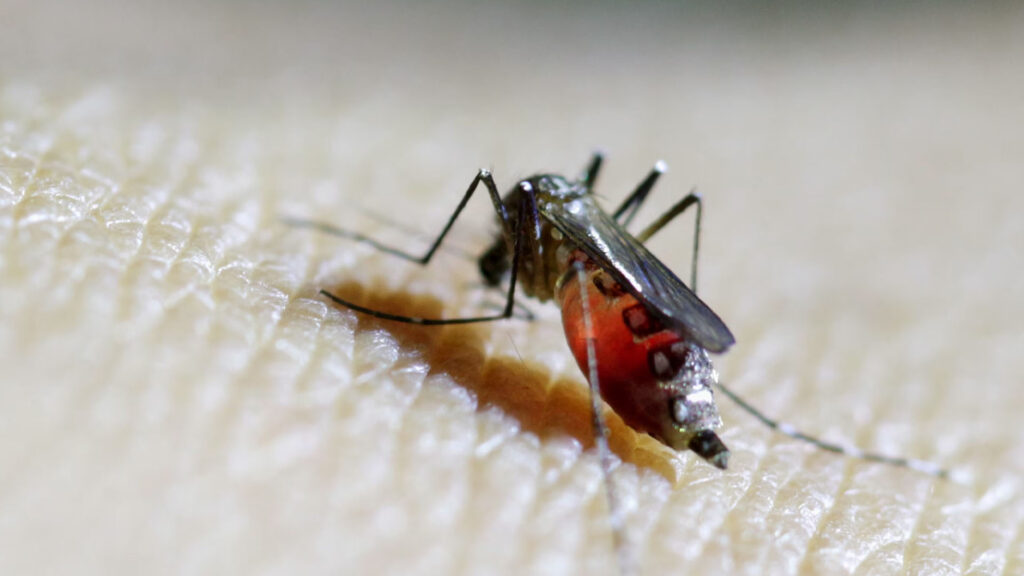
The disease is primarily spread by Aedes aegypti and Aedes albopictus mosquitoes, the latter also known as the tiger mosquito. These mosquitoes are expanding their range due to climate change, increasing the potential for outbreaks in new regions. They are most active during daylight hours, particularly in the early morning and late afternoon.
WHO Calls for Immediate Global Preparedness
The WHO stressed the importance of early detection, public education, and strengthening health systems to curb the spread. Dr. Rojas Alvarez explained, “In areas where people have little to no immunity, the virus can infect up to 75% of the population, triggering rapid, large-scale outbreaks.”
Preventive Measures for the Public
To reduce risk, WHO recommends the following preventive actions:
- Use mosquito repellent during the day
- Eliminate standing water in buckets, pots, and containers
- Install window screens and wear long-sleeved clothing
- Increase public awareness in vulnerable regions
As global health systems continue to battle multiple vector-borne diseases, the emerging chikungunya threat reinforces the need for proactive international collaboration.