

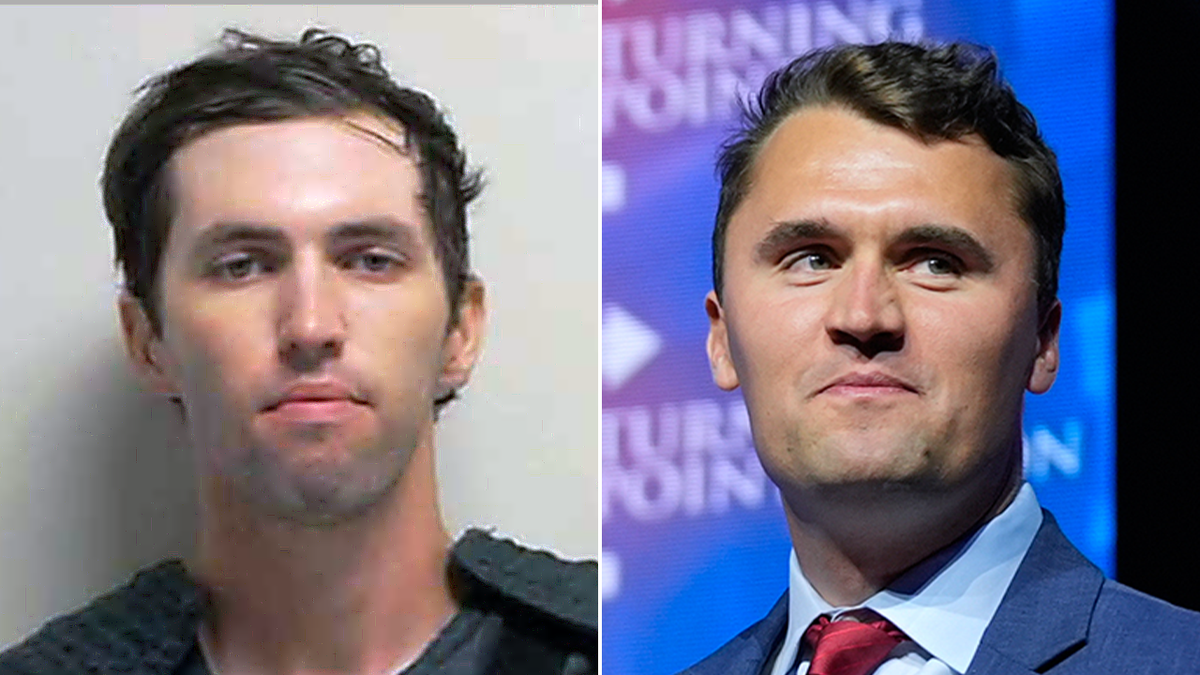
Charlie Kirk, a prominent ally of Donald Trump, was shot and killed in September 2025 while addressing a crowd at a university in Utah—a shocking incident that continues to draw national attention.
Now, a new development in the case against the accused has sparked fresh discussion over key forensic evidence.
Recap: Fatal Shooting During Public Speech
The fatal shooting occurred during an outdoor event on a university campus, where Charlie Kirk was speaking to a large audience.
Video footage that circulated online showed the moment a gunshot rang out. Kirk appeared to reach toward his neck before collapsing, sending the crowd into panic as attendees fled the scene.
Suspect Identified and Arrested
Authorities later identified the suspect as Tyler Robinson, 22.
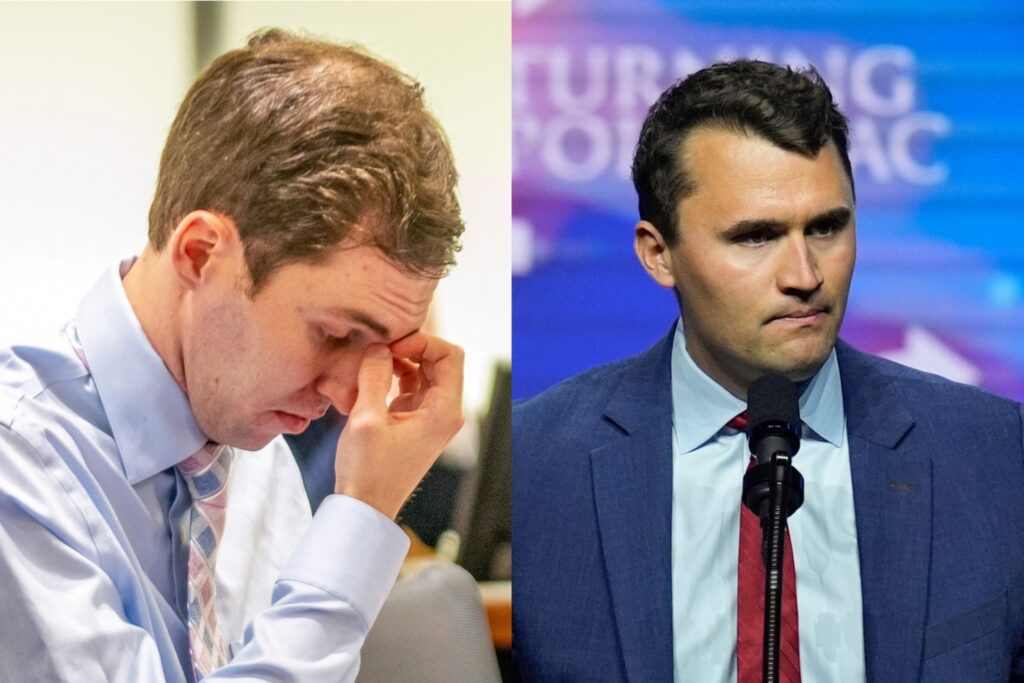
He was taken into custody after a relative and a family friend contacted law enforcement, reporting that he had either confessed or strongly implied involvement in the shooting.
Investigators also relied on security camera footage and digital evidence from the platform Discord to connect the suspect to the crime.
New Court Filing Raises Ballistic Questions
A recent court filing by the defense has introduced uncertainty around a key piece of evidence.
Defense lawyers argued that a summary from the Bureau of Alcohol, Tobacco, Firearms and Explosives (ATF) could not definitively link the fatal bullet to a rifle allegedly associated with Robinson.
This claim has led to confusion about the strength of the prosecution’s forensic case.
Experts Say Findings May Be Inconclusive
Legal analysts caution that such language in forensic reports is not unusual.
An inability to match a bullet to a weapon often indicates inconclusive results, rather than proving the weapon was not used.
Experts note that this does not weaken the case significantly on its own, especially if other forms of evidence remain strong.
Defense Seeks Delay in Proceedings
The defense has requested a delay in the preliminary hearing to allow further review of ballistic evidence and pending analyses by the Federal Bureau of Investigation (FBI).
Such requests are common in serious criminal cases and are typically part of standard legal procedure.
Importantly, they do not determine guilt or innocence, nor do they prevent prosecutors from continuing their case.
Case Continues to Unfold
As the legal process moves forward, the case remains under close scrutiny due to its high-profile nature and political implications.
With ongoing forensic reviews and court proceedings ahead, more details are expected to emerge in the coming months.


