

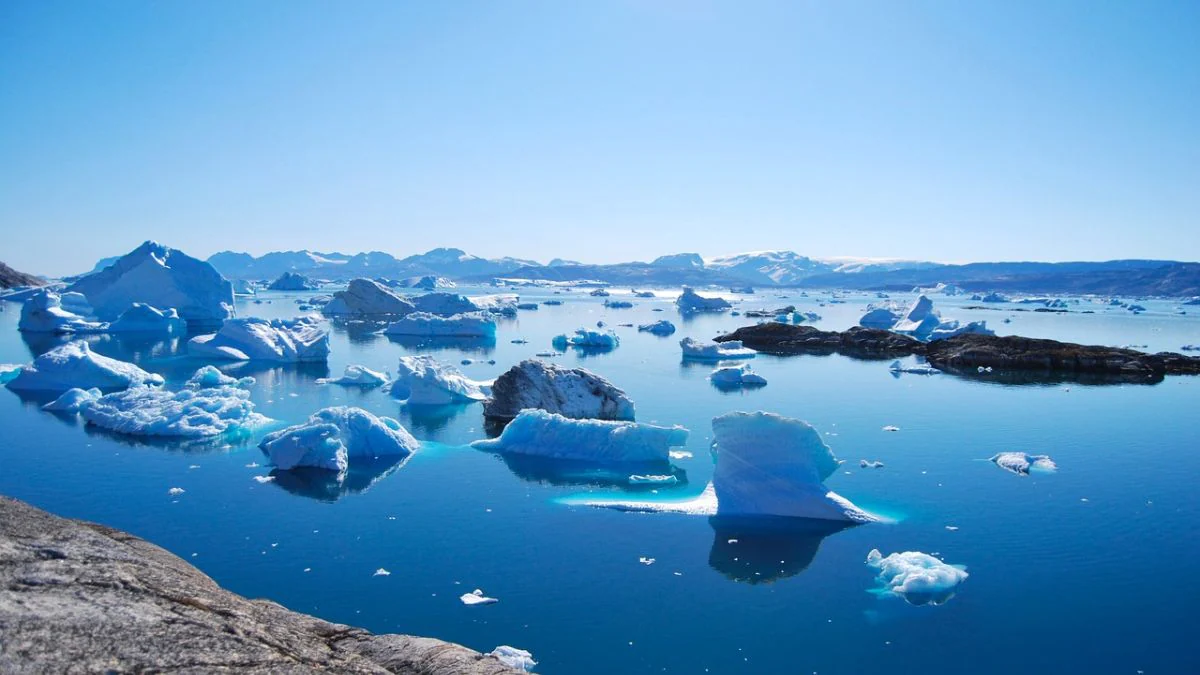
COPENHAGEN — A powerful heatwave that swept across the Arctic in May triggered a dramatic surge in ice melt in Greenland, with scientists confirming the rate was 17 times higher than average. The World Weather Attribution (WWA) network, which studies the connection between extreme weather and climate change, released its findings on Wednesday, highlighting the growing threat posed by global warming in the region.
Arctic Warming Four Times Faster Than Global Average
Since 1979, the Arctic has been warming at four times the rate of the global average, making it one of the most climate-vulnerable regions on Earth. A 2022 study published in Nature emphasized the region’s heightened sensitivity to rising temperatures, a trend that is now being witnessed through extreme weather events like the May heatwave.
Dr. Friederike Otto, a climate scientist at Imperial College London and one of the WWA report’s authors, emphasized the severity of the melt. “The Greenland ice sheet’s melting rate increased by a factor of 17 during the heatwave,” she said. “This directly contributes to higher sea levels than we would have seen without this event. Such an occurrence would have been impossible without climate change.”
Record-Breaking Temperatures in Iceland and Greenland
Iceland also experienced unprecedented warmth. On May 15, temperatures soared above 26°C (79°F)—an extraordinary figure for the subarctic island during spring. According to the Icelandic Meteorological Office, 94% of the country’s weather stations recorded their hottest-ever May temperatures. The WWA noted that average daily maximum temperatures were more than 13°C higher than the 1991–2020 average.
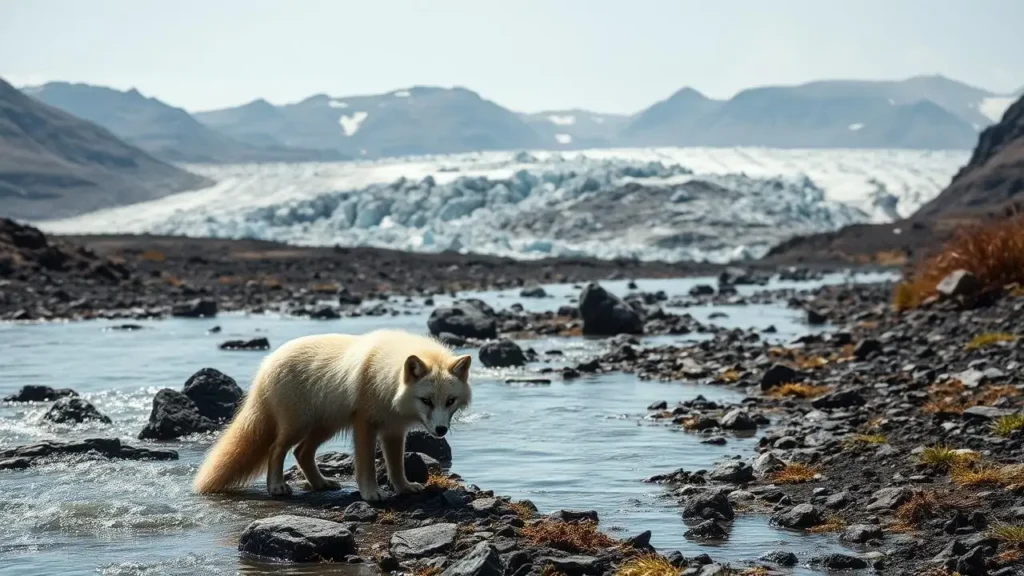
Eastern Greenland faced similarly extreme conditions, with temperatures on the hottest day of the heatwave reaching nearly 4°C above preindustrial levels.
Extreme for the Arctic, With Global Consequences
While the concept of a 20°C heatwave might not seem shocking in many parts of the world, it is significant in the Arctic. “This is a huge anomaly for this region,” Otto said. “It has far-reaching consequences for the global climate system.”
The WWA reported that such extreme temperature events in Iceland and Greenland could now happen once every 100 years. As global temperatures continue to rise, these events may become more frequent.
Impact on Indigenous Communities and Infrastructure
Beyond the environmental impact, the warming has serious socio-economic implications. In Greenland, indigenous communities that rely on ice-based hunting are facing mounting challenges. As the ice becomes less stable, traditional practices and food security are at risk.
Additionally, both Iceland and Greenland are experiencing infrastructure damage due to the thaw. “Infrastructure in these countries is designed for cold conditions. Heatwaves increase ice melt, which can lead to flooding and severe damage to roads and buildings,” the WWA warned.
A Global Wake-Up Call
The recent Arctic heatwave underscores the urgent need for climate action. Scientists and environmental advocates are calling for immediate efforts to reduce greenhouse gas emissions and implement climate-resilient strategies in vulnerable regions. As Greenland’s ice continues to melt at alarming rates, the world inches closer to irreversible sea level rise and global climate instability.