

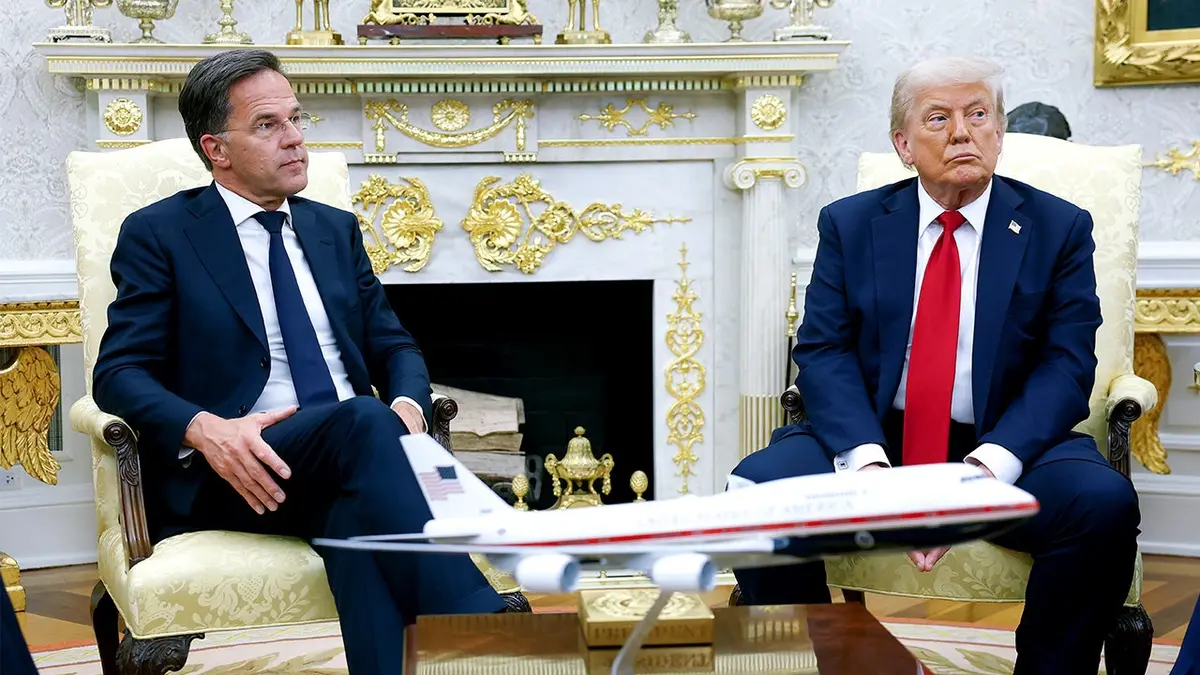
Tensions between the United States and NATO have surged after President Donald Trump criticized the alliance following a high-profile meeting with Secretary General Mark Rutte.
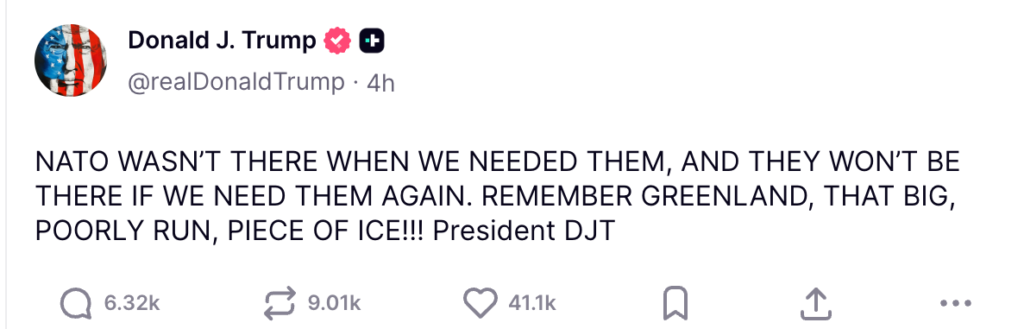
In a post on Truth Social, Trump stated:
“NATO WASN’T THERE WHEN WE NEEDED THEM, AND THEY WON’T BE THERE IF WE NEED THEM AGAIN.”
A Frank Exchange
Rutte described the meeting as “very frank” and “very open,” acknowledging differences but emphasizing that the situation was complex.
“The large majority of European nations has been helpful with basing, with logistics, with overflights. It’s therefore a nuanced picture,” Rutte said.
Despite disagreements, Rutte credited recent actions against Iran as making the world “absolutely safer” and acknowledged Trump’s leadership.
White House Responds
White House Press Secretary Karoline Leavitt added fuel to the debate, stating that NATO had been “tested and they failed,” with some member countries having “turned their backs on the American people.”
The exchange highlights growing friction over NATO’s role in the Iran conflict, particularly around efforts to reopen the Strait of Hormuz.
Future of NATO in Question
Trump has previously threatened to withdraw from the 32-member alliance, raising concerns about the alliance’s cohesion amid diverging security and foreign policy priorities.
Analysts now question whether NATO can maintain unity while facing escalating geopolitical challenges and criticism from key members like the United States.
Final Thoughts
The recent exchange between Trump and Rutte underscores the delicate balance between national interests and collective defense obligations. With tensions rising, NATO faces one of its most significant tests in decades.