

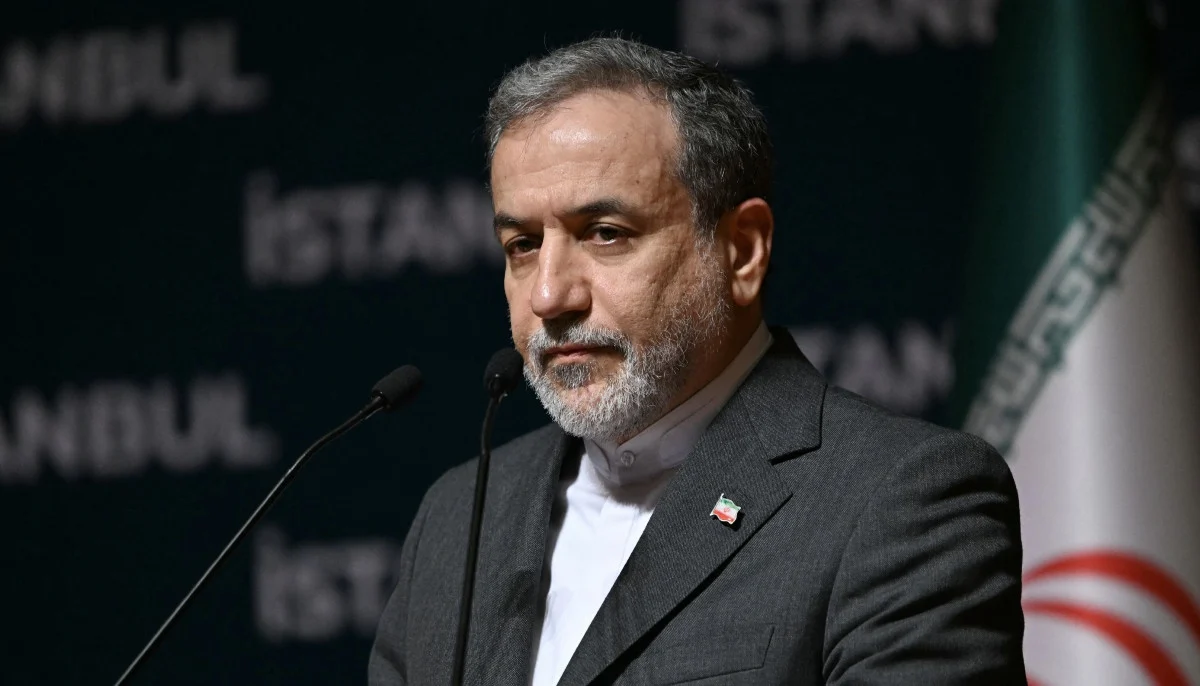
Abbas Araghchi has issued a sharp warning to the United States, urging it not to allow Benjamin Netanyahu to undermine ongoing diplomatic efforts in the Middle East.
In a strongly worded statement, Araghchi described it as “dumb” for Washington to risk destabilizing the region by permitting continued military escalation amid delicate ceasefire negotiations.
Ceasefire Dispute Expands to Lebanon
The comments come as confusion grows over whether a recently agreed ceasefire between Iran and the United States extends to Lebanon.
Despite claims that hostilities would ease, reports of ongoing airstrikes and rising casualties have intensified concerns about the truce’s durability.
The situation has created uncertainty about the scope of the agreement and raised fears of a broader regional escalation.
Netanyahu’s Motives Questioned
Araghchi also suggested that domestic political pressures could be influencing Benjamin Netanyahu’s decisions, pointing to his ongoing legal challenges.
He implied that a wider ceasefire, including Lebanon, could have political consequences for Netanyahu, adding another layer of complexity to the conflict.
U.S. Echoes Concerns Over Ceasefire Stability
Interestingly, similar language has been used by JD Vance, who also warned against actions that could collapse the fragile agreement.
While the U.S. has stated that Israel is expected to scale back operations, continued strikes have raised questions about how effectively the ceasefire is being implemented.
Strategic Risks: Strait of Hormuz in Focus
Iranian officials have hinted at potential responses if the ceasefire fails, including restricting access to the Strait of Hormuz—a critical route for global oil shipments.
Such a move could have significant economic consequences worldwide, further increasing the stakes of the ongoing diplomatic efforts.
A Region on Edge
With tensions escalating and conflicting signals from key players, the future of the ceasefire remains uncertain.
As negotiations continue, the decisions made by the United States, Israel, and Iran could determine whether the region moves toward stability—or slides back into conflict.