

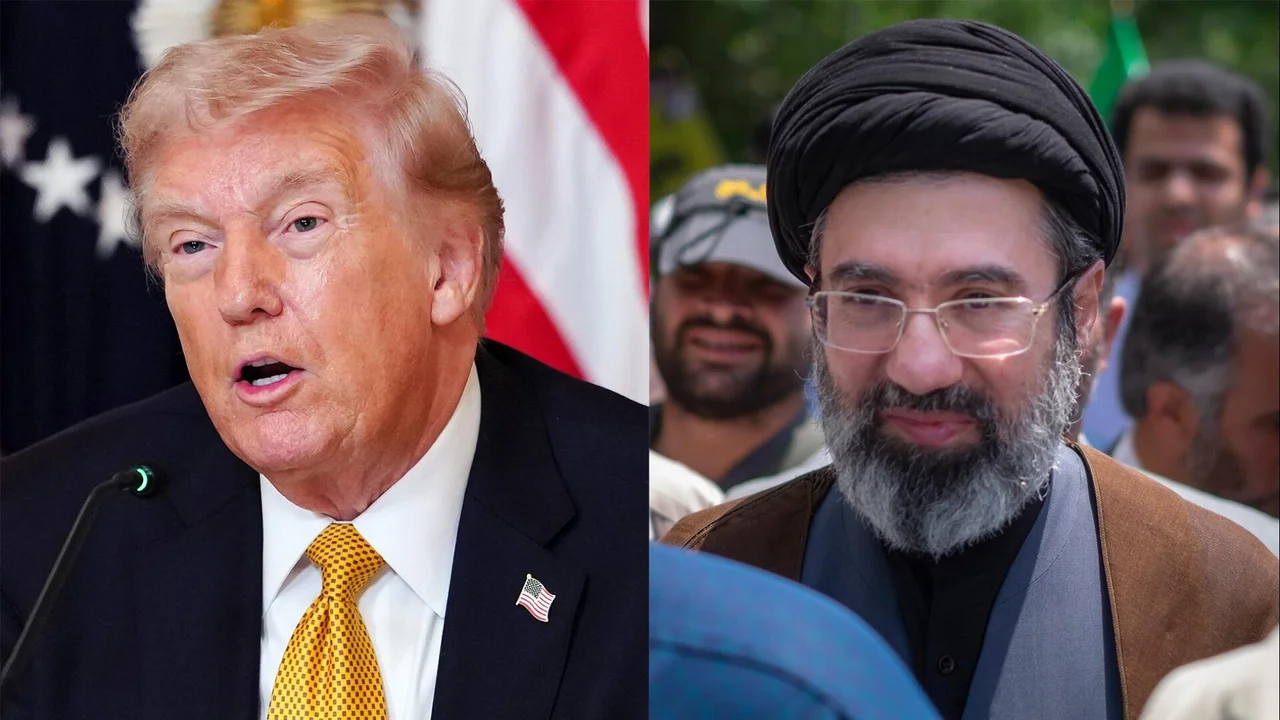
Iran has reportedly rejected a new round of peace talks with the United States, dealing a major setback to diplomatic efforts aimed at ending the ongoing conflict and stabilising global energy markets.
The development comes as Pakistan continues its role as a key mediator in efforts to restart negotiations between Washington and Tehran.
Talks Face Sudden Breakdown
According to Iranian state media IRNA, Tehran has declined participation in the latest proposed negotiations, citing what it described as excessive demands and shifting positions from the United States.
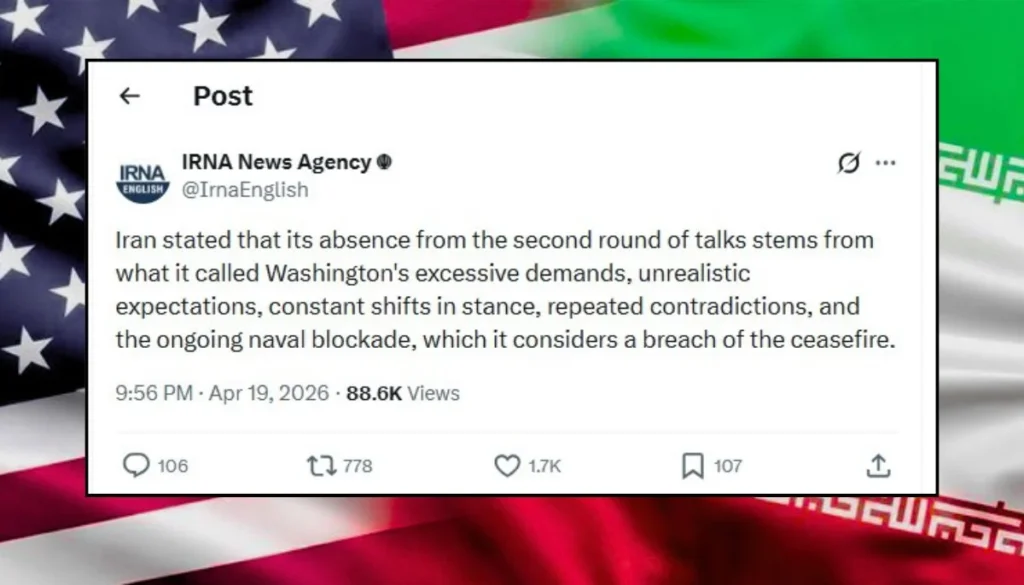
Iran also reportedly pointed to ongoing military pressure and restrictions in the region as key reasons for pulling back from talks.
US Push for Negotiations
The announcement follows comments from Donald Trump, who said US envoys were being dispatched for urgent negotiations and warned of possible military escalation if Iran failed to agree to terms.
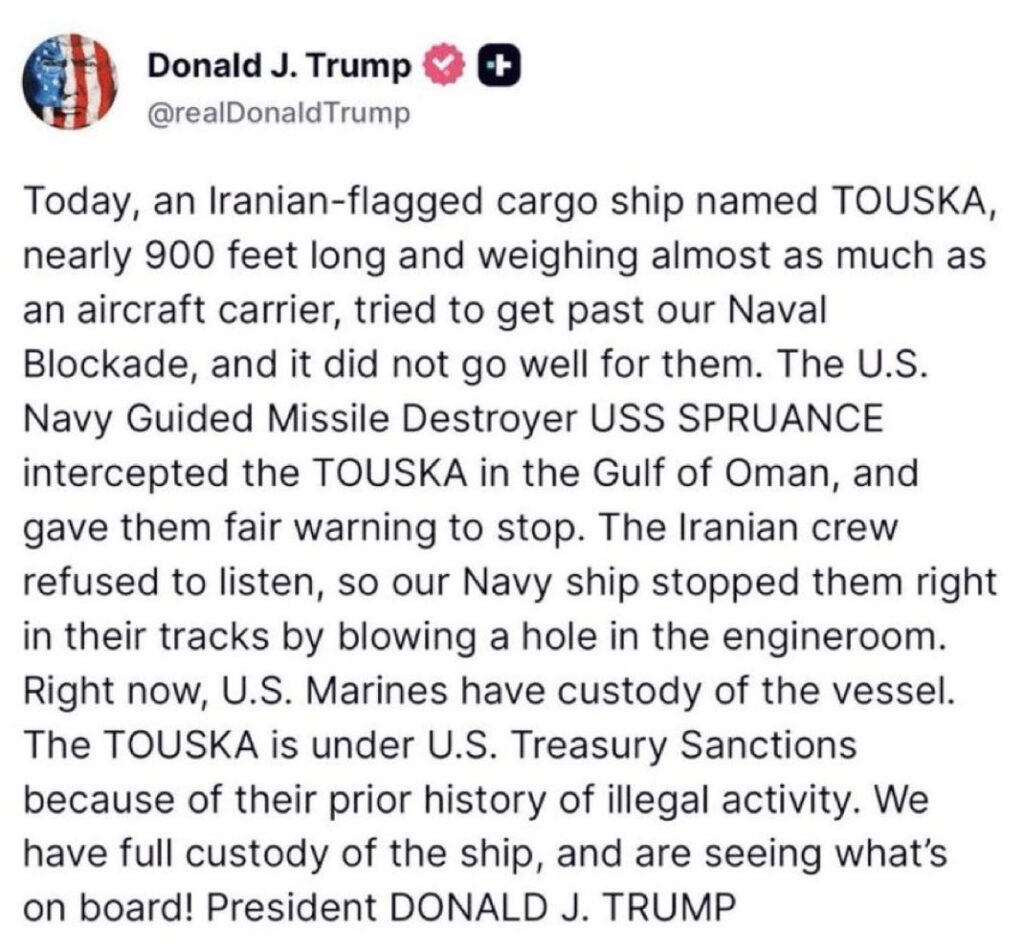
Trump has repeatedly taken a hardline stance, linking diplomacy with threats targeting Iranian infrastructure if progress is not made.
Pakistan’s Mediation Efforts
Pakistan has been actively involved in diplomatic outreach, with Prime Minister Shehbaz Sharif speaking directly with Iranian leadership in an effort to de-escalate tensions and revive dialogue.
Despite these efforts, Iran’s withdrawal from talks signals growing strain in the mediation process.
Strait of Hormuz Tensions Escalate
A key point of concern remains the Strait of Hormuz, a critical global oil shipping route.
Disruptions in the strait have already contributed to volatility in energy markets, with shipping restrictions and military tensions raising fears of supply shocks.
The situation has had a direct impact on global oil prices, which remain highly sensitive to developments in the region.
Rising Regional and Global Concerns
The ongoing conflict has already led to significant casualties and heightened instability across the Middle East, with missile and drone exchanges reported between involved parties and allied forces.
Experts warn that continued escalation could further disrupt global energy supplies and trigger economic ripple effects worldwide.
Uncertain Path Ahead
With Iran stepping back from negotiations and diplomatic mediation under pressure, the outlook for a near-term agreement remains unclear.
As tensions continue to rise, global attention remains focused on whether diplomacy can be revived—or whether the conflict will further intensify in the coming weeks.