

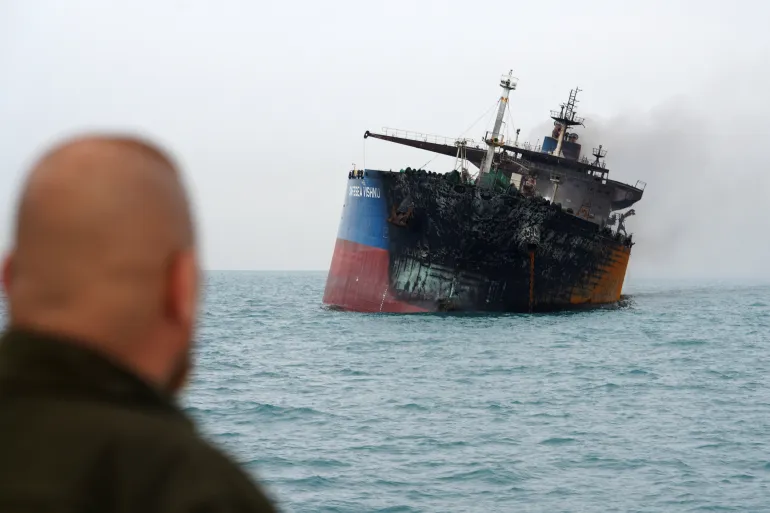
Global oil markets have surged sharply as shipping through the Strait of Hormuz remains heavily restricted amid escalating tensions between the United States and Iran.
Benchmark prices rose significantly, with Brent crude climbing around 7% to $96.88 and US crude rising to $90.33, reflecting growing fears of supply disruption.
Shipping Route Blocked Again
According to reports, Iran has once again restricted access to the key waterway, citing alleged breaches of trust by the United States. The move has raised fresh concerns over global energy stability.
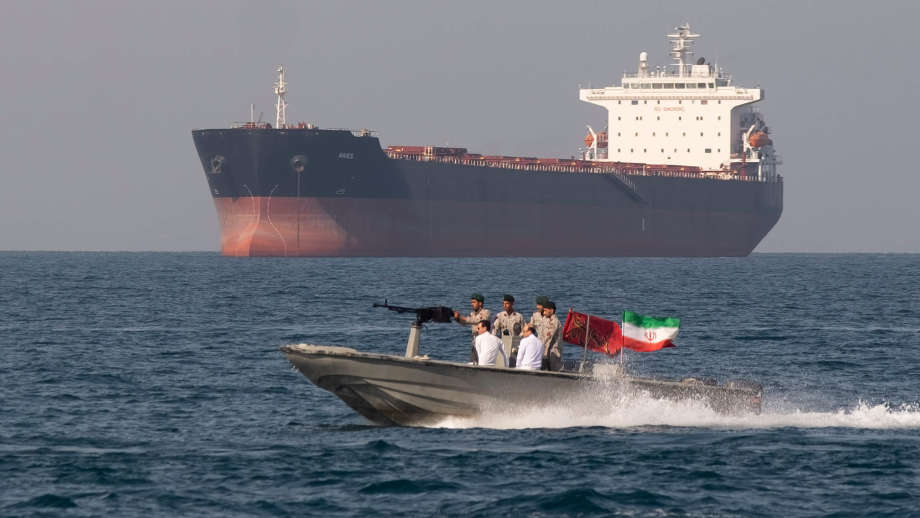
The Strait of Hormuz is one of the world’s most critical oil transit points, and any disruption in the area has immediate effects on international markets.
Military Escalation Adds Pressure
Tensions escalated further after US naval forces reportedly engaged an Iranian-flagged cargo vessel attempting to bypass a blockade in the Gulf of Oman.
Shipping data indicates that no oil tankers passed through the strait on Sunday, intensifying fears of a prolonged supply disruption.
Ceasefire Uncertainty
The situation comes as a fragile ceasefire between the United States and Iran nears expiration, adding further uncertainty to already volatile markets.
The potential end of the agreement has left traders and analysts concerned about renewed conflict and further disruption to energy supplies.
Impact on Global Fuel Prices
Rising crude prices are expected to filter down to consumers, with fuel costs likely to remain elevated.
US Energy Secretary Chris Wright noted that petrol prices—currently averaging around $4.05 per gallon—may not drop below $3 until next year, although a decline could still occur later this year depending on market stability.
Market Outlook Remains Uncertain
With shipping routes constrained and geopolitical tensions rising, analysts warn that energy markets could remain highly volatile in the coming weeks.
The Strait of Hormuz situation continues to be a key factor influencing global oil prices and broader economic stability.