
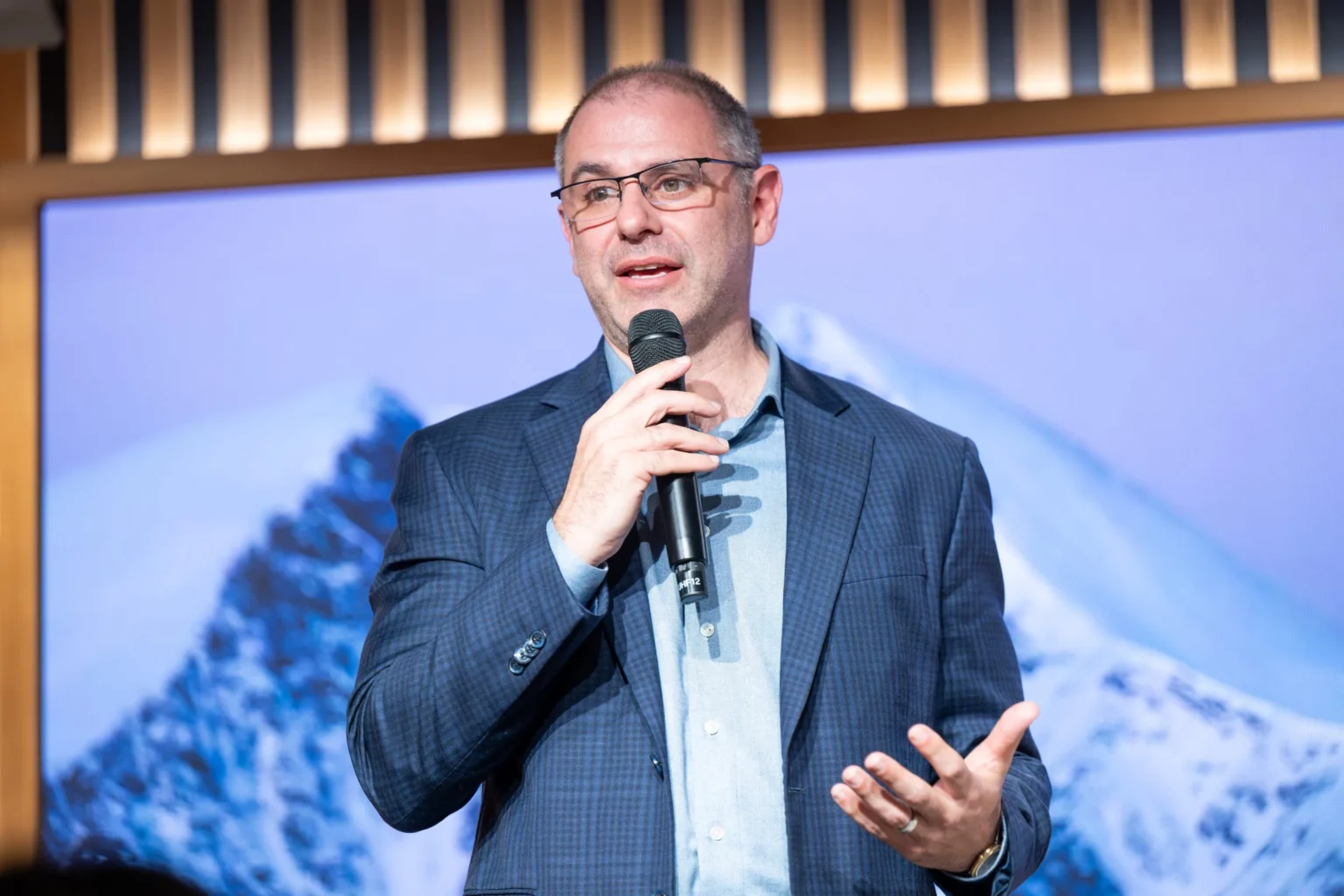
In a major leadership move, Microsoft has named Daniel Shapero as the new CEO of LinkedIn, signaling a strategic shift as the professional networking giant doubles down on artificial intelligence.
The appointment sees Shapero replacing Ryan Roslansky, marking a new chapter for the platform as it navigates rapid changes in how people work, connect, and grow their careers.
A Veteran Insider Steps Up
Shapero is no outsider. Having joined LinkedIn in 2008, he has spent over a decade shaping the platform’s core functions, including sales, marketing, and product development. Most recently serving as Chief Operating Officer, he played a central role in scaling LinkedIn into a global powerhouse with over 1.3 billion members.
His promotion reflects Microsoft’s preference for experienced internal leaders who understand both the platform and its evolving user base.
AI at the Heart of LinkedIn’s Future
In his announcement, Shapero made it clear that artificial intelligence will define LinkedIn’s next phase. He emphasized that professionals worldwide are facing a massive transition as AI reshapes industries and job markets.
“Economic opportunity and LinkedIn’s promise have never been more important,” Shapero noted, highlighting the urgency for workers to adapt to an AI-driven world.
The focus aligns closely with Microsoft’s broader AI ambitions under CEO Satya Nadella, who has been aggressively integrating AI across the company’s ecosystem.
Leadership Changes Signal Bigger Strategy
The leadership reshuffle goes beyond just the CEO role. Mohak Shroff has been appointed President of Platforms & Digital Work, reinforcing LinkedIn’s push toward deeper technological integration.
Meanwhile, Roslansky will remain within Microsoft’s broader structure, joining the Office group and reporting directly to Nadella. His continued involvement suggests continuity even amid change.
LinkedIn’s Growing Role Inside Microsoft
Since Microsoft acquired LinkedIn for $27 billion in 2016, the platform has become a significant contributor to the company’s business. In 2025 alone, LinkedIn accounted for 6.3% of Microsoft’s annual revenue—underscoring its importance beyond networking into recruitment, advertising, and enterprise solutions.
The timing of this leadership change also follows the retirement announcement of senior Microsoft executive Rajesh Jha, hinting at a broader reshaping of leadership across the company.
What This Means for Users
For LinkedIn’s global community, the shift could bring faster innovation—especially in AI-powered tools for hiring, content discovery, and career development.
Roslansky himself acknowledged the pace of change, stating that AI will transform how people work “faster than most expect.”
Under Shapero’s leadership, LinkedIn is expected to deepen its role as a critical platform for navigating this transformation—helping professionals not just find jobs, but adapt to entirely new ways of working.
The Bottom Line
Microsoft’s decision to elevate Daniel Shapero reflects a clear priority: positioning LinkedIn at the center of the AI revolution in the workplace.
With experienced leadership and a strong alignment with Microsoft’s AI strategy, LinkedIn is gearing up for a future where career growth, networking, and technology are more interconnected than ever.