


A newly published review has raised concerns about the real-world effectiveness of so-called breakthrough treatments for Alzheimer’s disease, suggesting that their clinical benefits for patients may be limited.
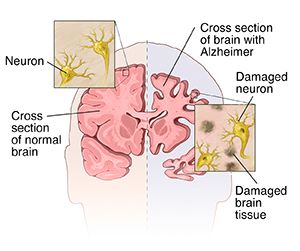
The findings, reported by the BBC, focus on a group of drugs designed to target and remove amyloid plaques in the brain—a key feature of Alzheimer’s disease.
Limited Real-World Benefit
Researchers argue that while these drugs can reduce amyloid build-up or slightly slow cognitive decline, the overall improvement in patients’ daily lives may be minimal.
The review suggests that any measurable benefits fall “well below” what would be considered noticeable for most patients and families.
Debate Over Medical Progress
The findings highlight an ongoing divide in the scientific community. Some researchers describe the treatments as a major milestone in Alzheimer’s research, while independent analysts, including the Cochrane Collaboration, question their practical value.

The Cochrane review analyzed data from more than 20,000 participants across multiple studies, concluding that benefits may not justify the risks and costs for many patients.
Safety and Cost Concerns
The report also raises concerns about side effects, including brain swelling and bleeding in some cases.
In addition, the treatments require regular infusions every two to four weeks and come with a high financial burden. An 18-month course is estimated to cost around £90,000, limiting access for many patients.
The NHS currently does not fund these treatments, citing cost-effectiveness concerns.
Expert Views Divided
Some experts involved in the review cautioned against widespread use of the drugs. Prof Edo Richard of Radboud University Medical Centre said many patients are unlikely to benefit and may face additional burden on themselves and their families.
Prof Robert Howard of University College London said the treatments had been “hyped” in a way not supported by strong evidence, potentially creating unrealistic expectations.
However, other scientists strongly disagreed with the conclusions. Prof Bart De Strooper of the UK Dementia Research Institute said the review may underestimate recent progress and add unnecessary doubt to ongoing research efforts.
Background on the Treatments
The drugs are among the first in history shown to slow the progression of Alzheimer’s in clinical trials. They work using engineered antibodies designed to target beta amyloid, a protein that accumulates between brain cells in patients with the disease.
Ongoing Debate
The findings highlight the continuing tension between cautious scientific evaluation and optimism around emerging Alzheimer’s therapies, as researchers work to balance innovation with proven clinical benefit.