
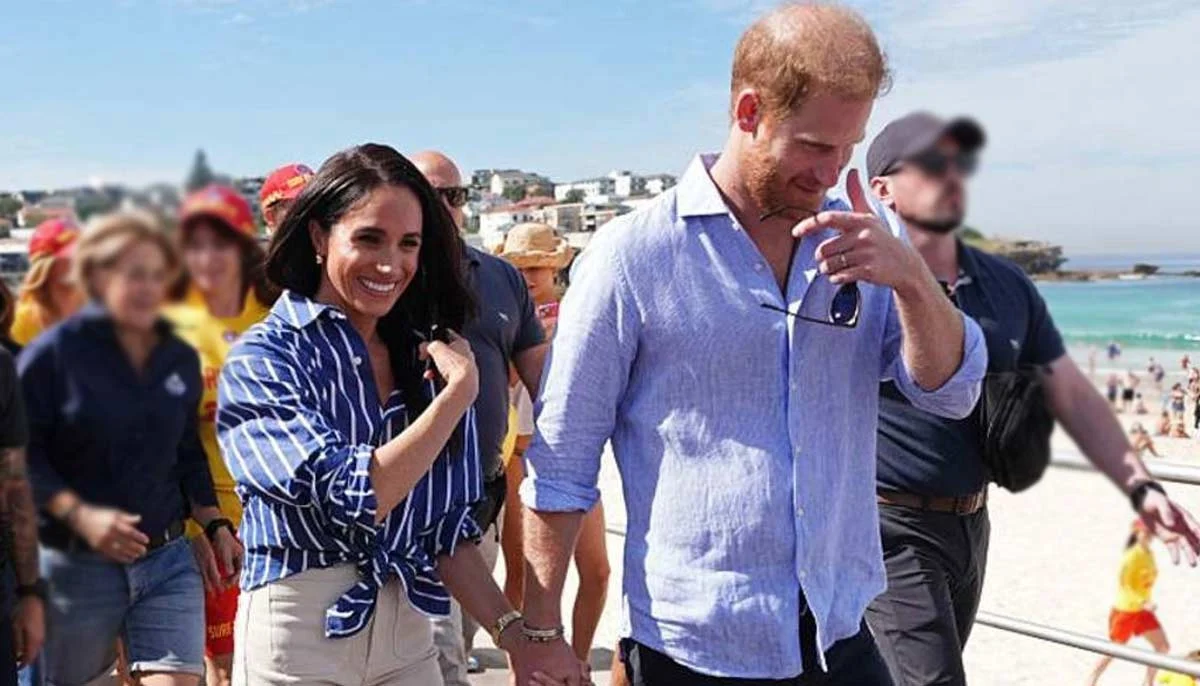
Prince Harry and Meghan Markle are facing sharp criticism following their recent four-day visit to Australia, with a royal commentator taking aim at the couple’s continued use of their titles.
The Duke and Duchess of Sussex traveled to Australia for a series of engagements tied to their independent projects. Though the trip was not an official royal tour, it drew comparisons to their past appearances as working members of the Royal Family.
“Royal-Style” Tour Sparks Debate
The visit, carried out under tight security, has been described by some observers as a “royal-style” tour. However, critics noted that it lacked the scale and public excitement of the couple’s widely followed 2018 tour.
At the time, Harry and Meghan were still senior royals, and their visit attracted global attention and large crowds.
Royal Expert Slams Use of Titles
Royal commentator Jane Moore delivered a particularly strong critique, questioning the couple’s decision to continue using their Duke and Duchess titles after stepping back from official royal duties.
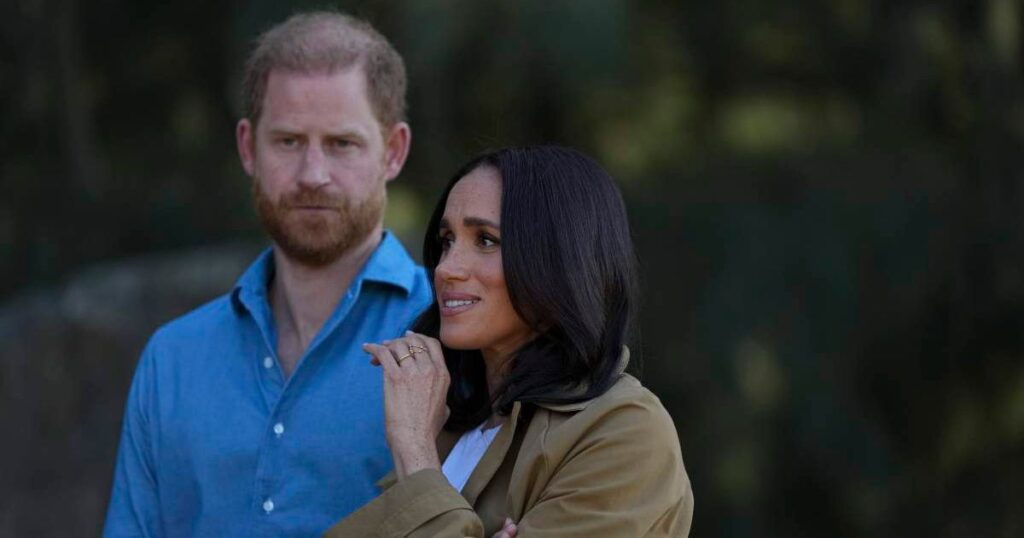
She argued that the pair are still benefiting from their royal status while operating independently.
Ongoing “Half-In, Half-Out” Debate
The criticism also revisits a long-standing debate that dates back to their departure from royal life. The late Queen Elizabeth II had reportedly made it clear that the couple could not remain “half-in, half-out” members of the Royal Family.
That decision ultimately led to Harry and Meghan relocating to the United States and pursuing their own ventures.
Public Reaction Remains Divided
While critics continue to question their approach, the couple still maintains a strong global following. Supporters argue that they are using their platform to support meaningful causes, while detractors see their actions as inconsistent with their departure from royal duties.
The Bigger Picture
The latest backlash highlights the ongoing scrutiny surrounding Harry and Meghan’s post-royal life. Each public appearance continues to spark debate over their role, influence, and identity outside the monarchy.