


We acknowledge the significance of your online privacy and acknowledge that granting us permission to collect some personal information requires a great deal of trust. We seek this consent as it enables Distinct Post to offer a platform that amplifies the voices of the marginalized. By using this site, you agree to the Privacy Policy and Terms of Use.
Accept
Distinct PostDistinct Post
Aa
  • Home
  • Israel-Gaza Conflict
  • World
  • Entertainment
  • Style
  • Health
  • Sports
  • Business
  • Royals
Reading: Why Companies Are Spending More on AI Than on Employees in 2026
Share
Aa
Distinct PostDistinct Post
  • Home
  • Israel-Gaza Conflict
  • World
  • Entertainment
  • Style
  • Health
  • Sports
  • Business
  • Royals
Search
  • Home
  • Israel-Gaza Conflict
  • World
  • Entertainment
  • Style
  • Health
  • Sports
  • Business
  • Royals
Follow US
Distinct Post > Business > Tech > Why Companies Are Spending More on AI Than on Employees in 2026
Tech

Why Companies Are Spending More on AI Than on Employees in 2026

Alicia Brian Published April 26, 2026
SHARE

The rapid rise of artificial intelligence is reshaping corporate spending—but not in the way many expected. Instead of investing primarily in talent or hardware, companies are now pouring vast sums into token usage and compute power, signaling a major shift in how businesses operate.

Contents
Token Costs Reshape IT BudgetsCompute Now Costs More Than TalentAI Spending Boom Hits TrillionsBragging Rights—or Warning Signs?Pressure Mounts for ROIRising Competition Adds ComplexityA New Economic Reality

Token Costs Reshape IT Budgets

At Uber, the scale of this shift became clear when its Chief Technology Officer reportedly exhausted the company’s entire 2026 AI budget early—largely due to token costs rather than infrastructure or staffing.

While this may seem like an extreme case, industry experts say it reflects a broader trend across global enterprises as AI adoption accelerates.

Compute Now Costs More Than Talent

According to Bryan Catanzaro at Nvidia, compute expenses for some teams have already surpassed employee costs.

This reversal—where processing power outweighs human labor in cost—marks a significant turning point in the economics of technology. Just a few years ago, such a scenario would have seemed unlikely.

AI Spending Boom Hits Trillions

Research from Gartner estimates global IT spending will reach $6.31 trillion in 2026, a 13.5% increase from the previous year.
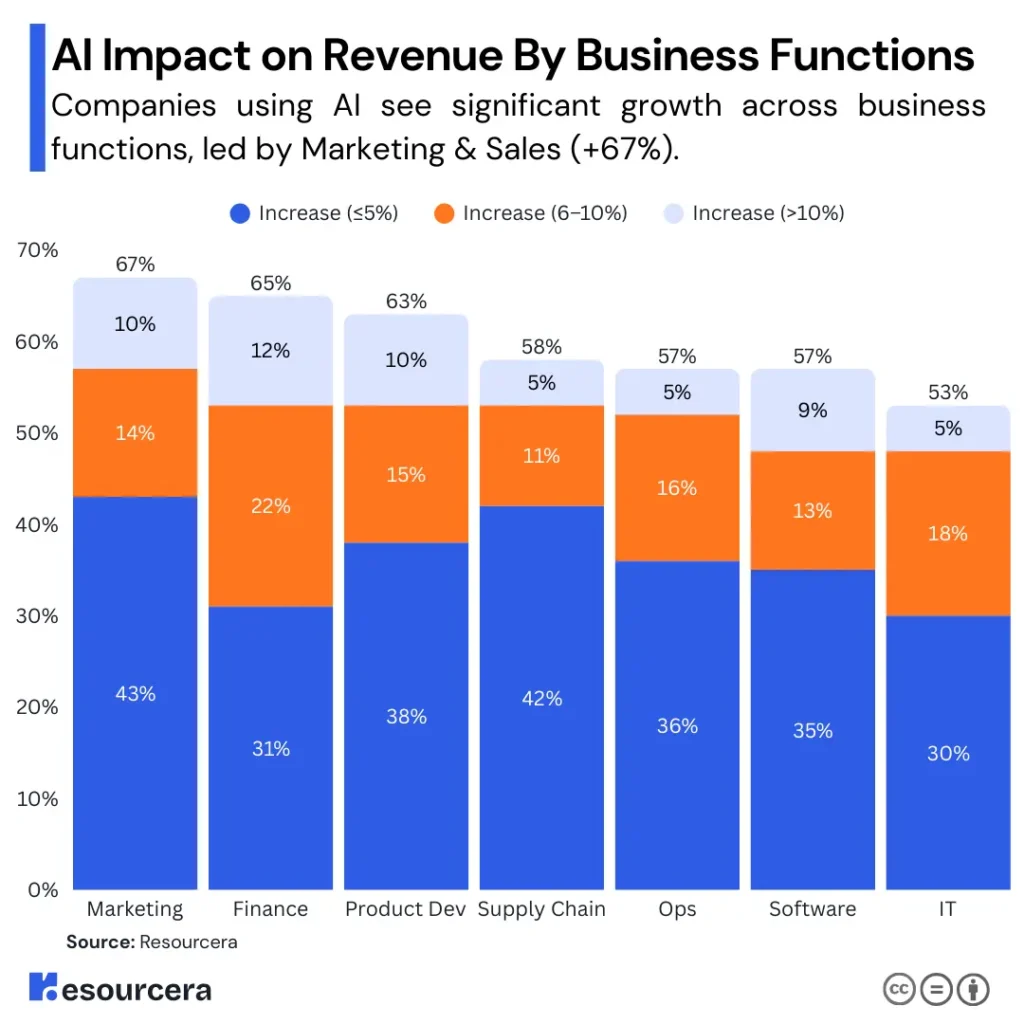
The surge is largely driven by AI-related investments, including infrastructure, enterprise software, cloud services, and subscriptions tied to large-scale model deployments.

Bragging Rights—or Warning Signs?

Some startups are openly embracing these rising costs. Amos Bar-Joseph of Swan AI even highlighted his company’s massive AI bill as a point of pride, framing it as proof of building a business powered by intelligence rather than headcount.

However, such spending raises questions about long-term sustainability—especially as investors begin to demand clear returns.

Pressure Mounts for ROI

Industry leaders say the conversation is shifting. Brad Owens of Asymbl notes that businesses are now questioning the true value of both human and digital workers.

This shift is increasingly reflected in boardroom discussions, where AI investments are being measured against productivity gains and profit margins.

Rising Competition Adds Complexity

Competition among AI developers is further complicating the landscape. Companies like OpenAI and Anthropic are constantly adjusting pricing models, impacting enterprise budgets.

Reports suggest that tools like Codex may offer more cost-efficient token usage compared to alternatives such as Claude, influencing how businesses allocate their AI spending.

A New Economic Reality

The explosion in AI costs signals more than just a technological shift—it reflects a broader transformation in how companies value resources.

As spending continues to climb, businesses face a critical question: can the productivity gains from AI justify the rapidly rising costs?

For now, the answer remains uncertain—but one thing is clear: the economics of the digital age are being rewritten in real time.

You Might Also Like

Kate Middleton’s Meaningful Jewelry Choice Honors Her Children During London Engagement

Kate Middleton Melts Hearts With Adorable “Mom Mode” Moment During London University Visit

Is Justin Trudeau’s Romance With Justin Trudeau and Katy Perry Hurting His Public Image?

Kris Jenner Breaks Silence After Meghan Markle Sends Unexpected Gift

Iran’s Big Decision Looms as US Peace Deal Proposal Awaits Response

TAGGED: trending
Alicia Brian April 26, 2026 April 26, 2026
Leave a comment

Leave a Reply Cancel reply

Your email address will not be published. Required fields are marked *

Popular News
Entertainment

Beyoncé’s Childhood Home in Houston Engulfed in Flames on Christmas Day

Kelly Tyler Kelly Tyler December 25, 2023
Fans blame Taylor Swift and Brittany Mahomes after the latest Kansas City Chiefs loss
Israeli embassy staffer stabbed in Beijing: Israel Foreign Ministry
Russian and Ukrainian officials clash at parliamentary assembly meeting in Turkey
German Chancellor Scholz tweets a pirate-style picture of himself with a black eye patch after a jogging accident

Categories

  • Market
  • Tech
  • Fitness
  • Food
  • Celebrity
  • Fashion
  • Beauty
  • Football
  • Cricket
  • Entertainment
    • Celebrity
    • Movies
    • Television
  • Style
    • Arts
    • Beauty
    • Fashion
  • Health
    • Fitness
    • Food
  • Sports
    • Baseball
    • Basketball
    • Cricket
    • Football
    • Olympics
  • Business
    • Market
    • Tech
Useful Links
  • About us
  • Privacy policy
  • Term Of Use

2023 © Distinct Post News & Media. All Rights Reserved.

Welcome Back!

Sign in to your account

Lost your password?