

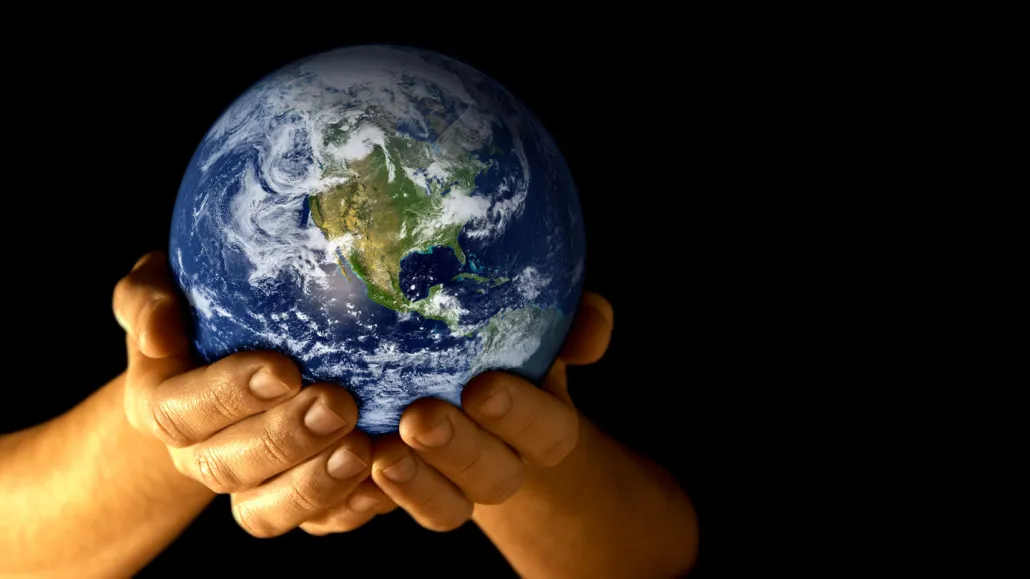
For thousands of years, humans have reshaped Earth—from controlled burns that altered ecosystems to large-scale agriculture that sustains billions. Now, scientists are asking a critical question: can those same capabilities be used to repair the damage?
According to environmental scientist Erle Ellis, the answer is yes—and the tools to do so already exist.
What Is the Anthropocene?
The Anthropocene is the term used to describe the current geological era, where human activity has become the dominant force shaping the planet. Unlike previous epochs driven by natural processes, this period is defined by human influence—ranging from climate change and pollution to widespread biodiversity loss.
Ellis, a geographer at the University of Maryland, Baltimore County (UMBC) and head of the Anthroecology Lab, has spent decades studying how human societies—from small villages to global economies—interact with ecosystems.
A Shift From Damage to Repair
Rather than viewing the Anthropocene solely as a period of destruction, Ellis offers a more balanced perspective. He argues that the same human systems responsible for environmental harm—such as agriculture, governance, and cultural practices—can also drive restoration.
In other words, the problem and the solution come from the same source: human behavior.
He emphasizes that focusing only on environmental collapse may limit progress. Historically, societies have shown a strong ability to adapt, cooperate, and reorganize when facing shared challenges. According to Ellis, that collective capacity is key to environmental recovery.
Why Culture and Cooperation Matter More Than Technology
Recent research in environmental social science supports this idea. While technological innovation plays a role, lasting change often depends more on cultural shifts and institutional cooperation.
Efforts that combine shared values, policy changes, and community engagement tend to be more effective than relying on technology alone.
The Role of Indigenous Knowledge
A major part of Ellis’s approach involves recognizing and restoring Indigenous and traditional land stewardship.
He highlights the importance of reconnecting humans with nature—not just physically, but culturally and historically. This includes acknowledging shared evolutionary ties with all living beings and supporting systems that bring people closer to ecosystems.
Practical solutions include:
- Community-led conservation projects
- Wildlife corridor networks
- Ecotourism initiatives
- Digital tools like remote sensing and nature apps
Importantly, Ellis stresses that repairing the future also requires addressing the past. Supporting Indigenous sovereignty over land and water is a crucial step in that process.
Evidence From the Field
Emerging research continues to show that lands managed by Indigenous communities often outperform conventional conservation areas in protecting biodiversity. These findings reinforce the idea that sustainable environmental solutions are deeply rooted in traditional knowledge systems.
The Bottom Line
The Anthropocene doesn’t have to be defined only by environmental damage. According to scientists like Erle Ellis, it can also become an era of repair—if humanity chooses to act collectively.
The same ingenuity that transformed the planet could now be used to restore it.