

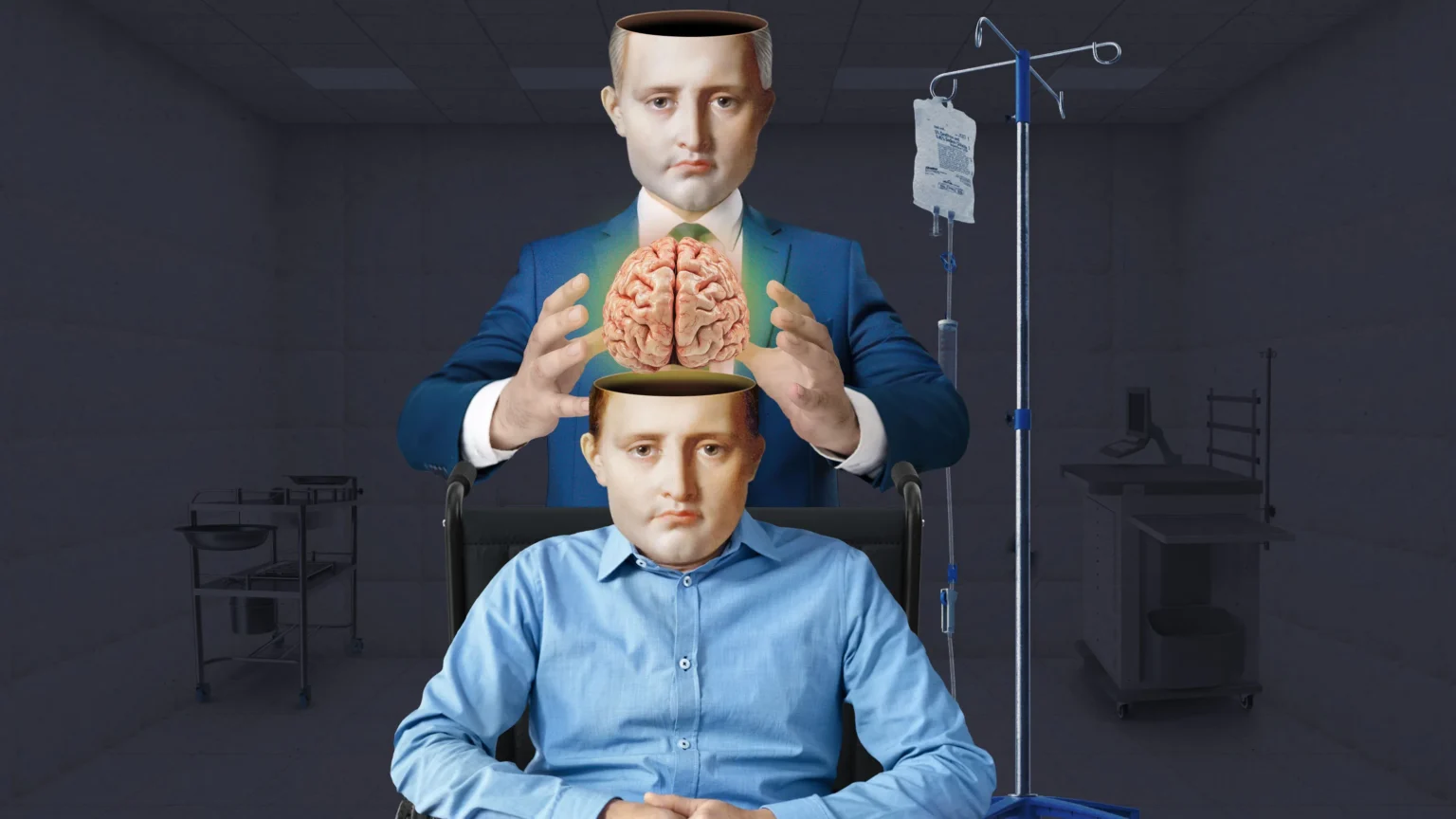
Animal cloning has been possible since the creation of Dolly the sheep in 1996, yet human cloning remains both biologically challenging and ethically controversial. The topic has resurfaced in headlines following the announcement by R3 Rio, a billionaire-backed startup aiming to develop non-sentient monkey organ sacks.
Non-Sentient Organ Structures
According to Wired, these primate organ structures would contain all vital organs except the brain. The proposed purpose is to provide donor tissues for medical research and reduce reliance on live animal testing.
However, investigative reporting from the MIT Technology Review suggests a more unsettling long-term vision. The startup allegedly intends to explore the creation of “brainless clones” of humans, designed as biological vessels for potential brain transplants. The concept would theoretically allow terminally ill or aging individuals to transfer their consciousness into a new, youthful body.
By ensuring these clones never develop brains, the company reportedly aims to bypass the ethical and legal challenges associated with creating sentient life. Experts, however, remain highly skeptical of such claims.
Company Statements and Skepticism
R3 Rio’s founder, John Schloendorn, has denied plans to develop brainless human clones. The company stated, “Our founder never made any statement regarding hypothetical ‘non-sentient human clones’ that would be carried by surrogates.”
Co-founder Alice Gilman added that the team reserves the right to discuss hypothetical futuristic scenarios, including brainless human clones. Despite these statements, scientists point out that human cloning is biologically impossible at this stage and would provoke major ethical and legal debates.
Ethical Concerns
Human cloning has long been contentious due to moral, social, and legal considerations. Creating a human without a brain—even for medical purposes—raises fundamental questions about consent, identity, and the boundaries of scientific experimentation. Critics argue that even hypothetical discussions risk normalizing unethical practices in biotechnology.
While R3 Rio’s current focus is on non-sentient primate organs for medical research, the concept of brainless human clones continues to ignite public debate and scrutiny from experts worldwide.