

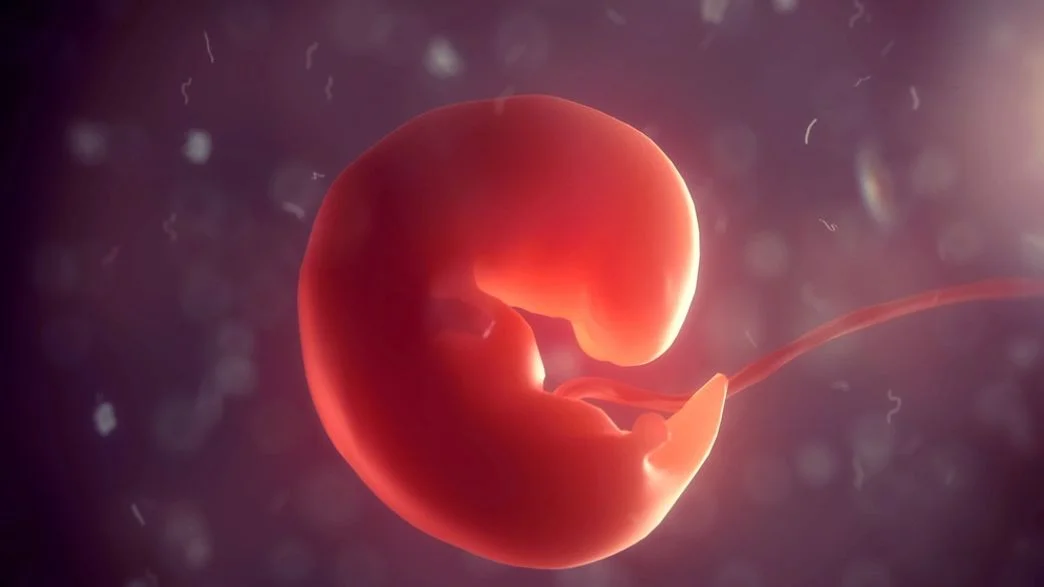
In a groundbreaking achievement, a team of scientists at the Weizmann Institute has successfully cultivated a model of a human embryo that closely mirrors the characteristics of a real 14-day-old embryo, all without the need for traditional reproductive components like sperm, eggs, or a womb. This scientific milestone relies on the use of stem cells and offers an ethical avenue for studying the early stages of human life.
The early stages of embryonic development following fertilization involve a series of intricate transformations that ultimately result in the formation of structures visible in prenatal scans. Despite their critical importance, these stages remain poorly understood and are a major contributing factor to miscarriages and birth defects.
Published in the journal Nature, the research conducted by the Weizmann Institute’s team represents a groundbreaking achievement—the creation of the first “complete” embryo model that faithfully replicates all the vital structures that emerge during the initial phases of human development.
Rather than relying on the conventional combination of sperm and eggs, the researchers initiated the process with stem cells that had been reprogrammed to possess the potential to develop into any type of tissue found in the human body. Through the application of precise chemical cues, these stem cells were guided to differentiate into four specific cell types commonly present in early-stage human embryos: epiblast cells (the precursors of the embryo proper), trophoblast cells (which later become the placenta), hypoblast cells (responsible for forming the supportive yolk sac), and extraembryonic mesoderm cells.
By carefully combining approximately 120 of these cells in specific ratios and allowing natural processes to unfold, around 1% of the cell mixture spontaneously organized into a structure closely resembling a human embryo. Although not identical, this achievement marks a significant stride forward, advancing to a developmental stage akin to that of a 14-day-old embryo—a milestone in line with the legal limit for embryo research observed in many countries.
The implications of these embryo models are profound, offering the potential for a multitude of benefits. They can enhance our understanding of critical processes such as cell differentiation, organ development, and the origins of genetic disorders. Furthermore, these models may contribute to advancements in in vitro fertilization (IVF) success rates and facilitate the evaluation of medication safety during pregnancy. However, there remains a pressing need to address the high failure rate associated with these models as researchers continue to refine their methodologies.
As these models become increasingly sophisticated and closely resemble actual embryos, ethical considerations come to the forefront. While this research undoubtedly opens new frontiers for studying human development and gaining deeper insights into the intricate blueprint of the human body, it is imperative to establish clear ethical and legal boundaries as these models evolve. It is essential to note that these models cannot be employed to achieve a pregnancy, as they have surpassed the stage at which successful implantation in the womb is possible.