

Wildlife and human communities living within designated conservation areas have shown signs of recovery and resilience, according to a new global assessment of UNESCO-protected sites.
The report highlights that while global wildlife populations have declined sharply over recent decades, species inside UNESCO-designated areas have remained comparatively stable.
Protection Through UNESCO Designations
UNESCO manages three key types of protected areas: World Heritage Sites, Biosphere Reserves, and Global Geoparks.
UNESCO World Heritage Sites are legally protected under the World Heritage Convention, while biosphere reserves and geoparks promote sustainable development and conservation practices.
Researchers say these areas have become crucial refuges for biodiversity amid growing environmental pressure worldwide.
Wildlife Benefits from Protected Areas
The report shows that many endangered species are now concentrated within these sites.
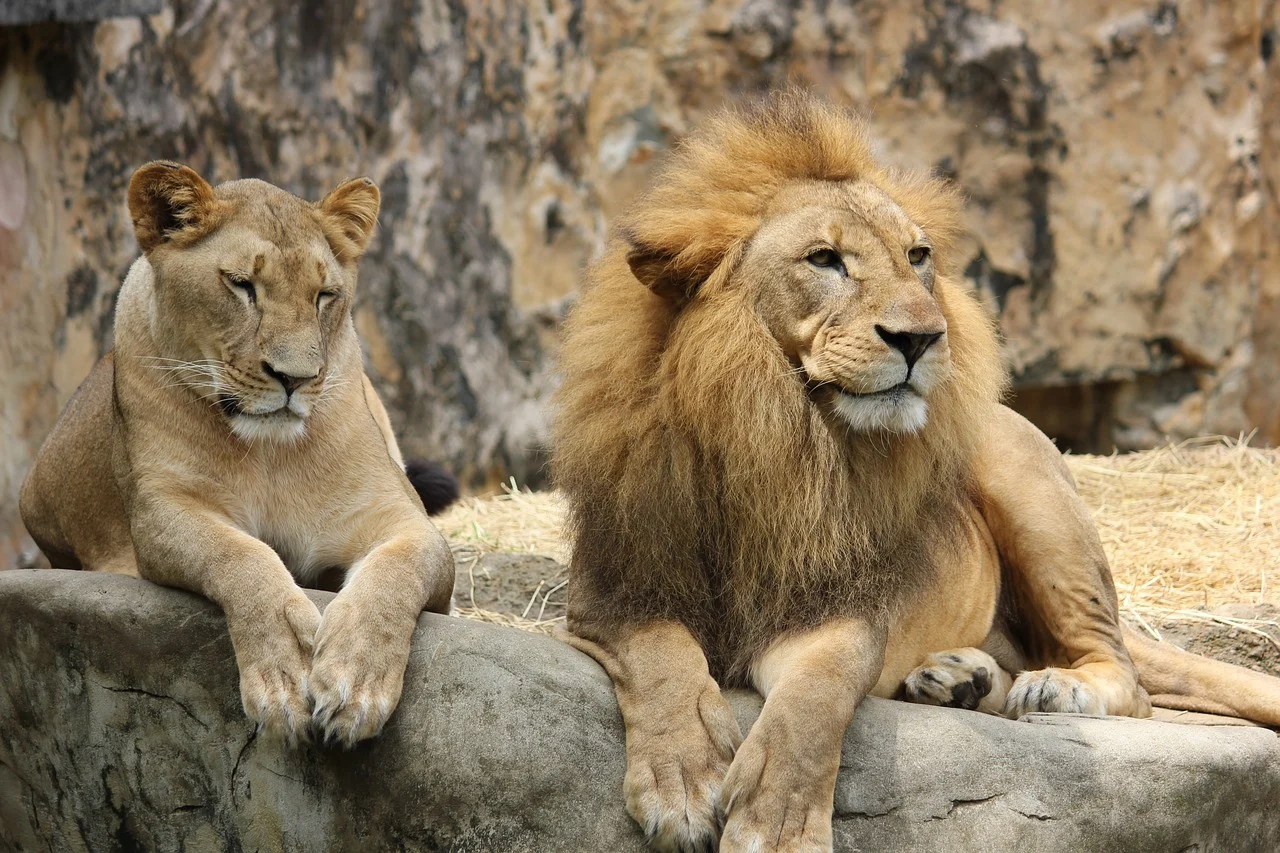
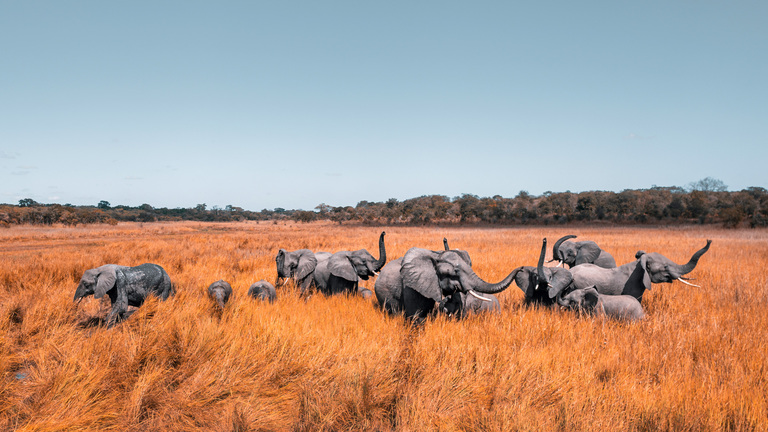
Around one-third of remaining populations of elephants, tigers, and pandas are found in UNESCO-designated areas, along with significant proportions of great apes, giraffes, lions, rhinos, and dugongs.
Some critically endangered species exist almost entirely within these protected zones, including the vaquita porpoise, Javan rhinoceros, and Sumatran orangutan.
Growing Environmental Pressure
Despite these gains, the report warns that UNESCO sites are increasingly under threat.
More than 300,000 square kilometres of forest cover has been lost within protected areas since 2000, largely due to agricultural expansion and logging.
Researchers also note that around 90% of UNESCO sites are experiencing high levels of environmental stress, including rising temperatures and extreme heat events.
Climate Risks Ahead
The study warns that up to one in four UNESCO sites could face critical climate tipping points by 2050.
These risks include glacier loss, coral reef collapse, and forest dieback, which could transform ecosystems from carbon sinks into carbon sources.
Importance for People and Economy
The report also highlights that UNESCO sites are home to roughly 10% of the global population and contribute significantly to economic activity, accounting for about a tenth of global GDP through ecosystem services and tourism.
A Mixed Picture of Progress and Risk
Researchers describe the findings as both encouraging and alarming—showing that conservation efforts are working in some areas, but that long-term protection is increasingly threatened by climate change and human activity.