


LOS ANGELES — Blake Lively and Justin Baldoni have reached a settlement, bringing an end to a prolonged and highly publicized legal dispute linked to their film It Ends With Us.
The agreement was finalized on May 4, closing a contentious chapter that stretched over 18 months. While both sides confirmed the resolution, specific terms of the settlement remain undisclosed.
Joint statement signals closure
In a rare joint statement, attorneys for both actors emphasized unity around the film’s message and its broader impact.
They described It Ends With Us as a project that aimed to raise awareness about domestic violence and support survivors, adding that the work remains “a source of pride” for everyone involved.
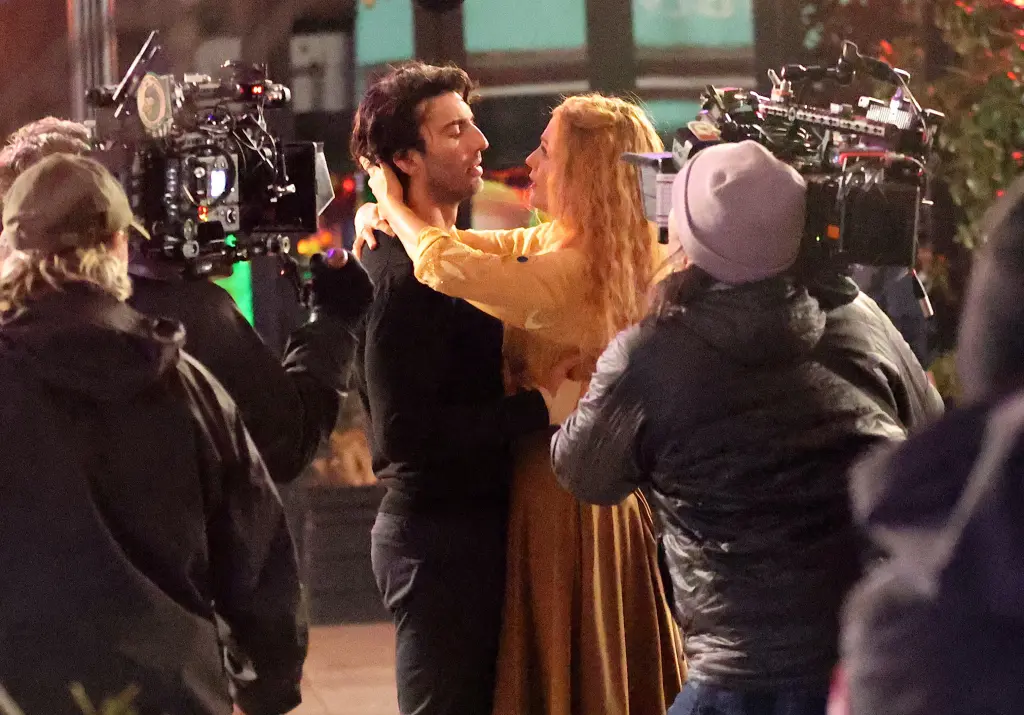
The statement also acknowledged the challenges faced during the legal process, noting that concerns raised by Lively “deserved to be heard.”
Both parties reiterated a commitment to maintaining professional environments free from misconduct, expressing hope that the resolution would allow everyone to “move forward constructively and in peace.”
Experts call settlement a strategic move
Public relations experts have weighed in on the decision, framing it as a calculated and necessary step.
Crisis management specialist Gary Rosen described the settlement as “the smartest move available” at this stage, suggesting the dispute had already taken a toll on both parties.
According to Rosen, prolonged legal battles of this nature rarely benefit those involved, often escalating reputational damage while driving up legal costs.
Origins of the dispute
The conflict dates back to December 2024, when Lively filed a sexual harassment complaint against Baldoni, escalating tensions surrounding the film’s production.
With a trial initially set for mid-May, the last-minute settlement avoids what could have been another high-profile courtroom showdown in Hollywood.
Industry impact
The resolution marks the end of one of the more closely watched entertainment disputes in recent months.
While the legal battle may be over, its ripple effects—on both careers and industry conversations around workplace conduct—are likely to continue.