
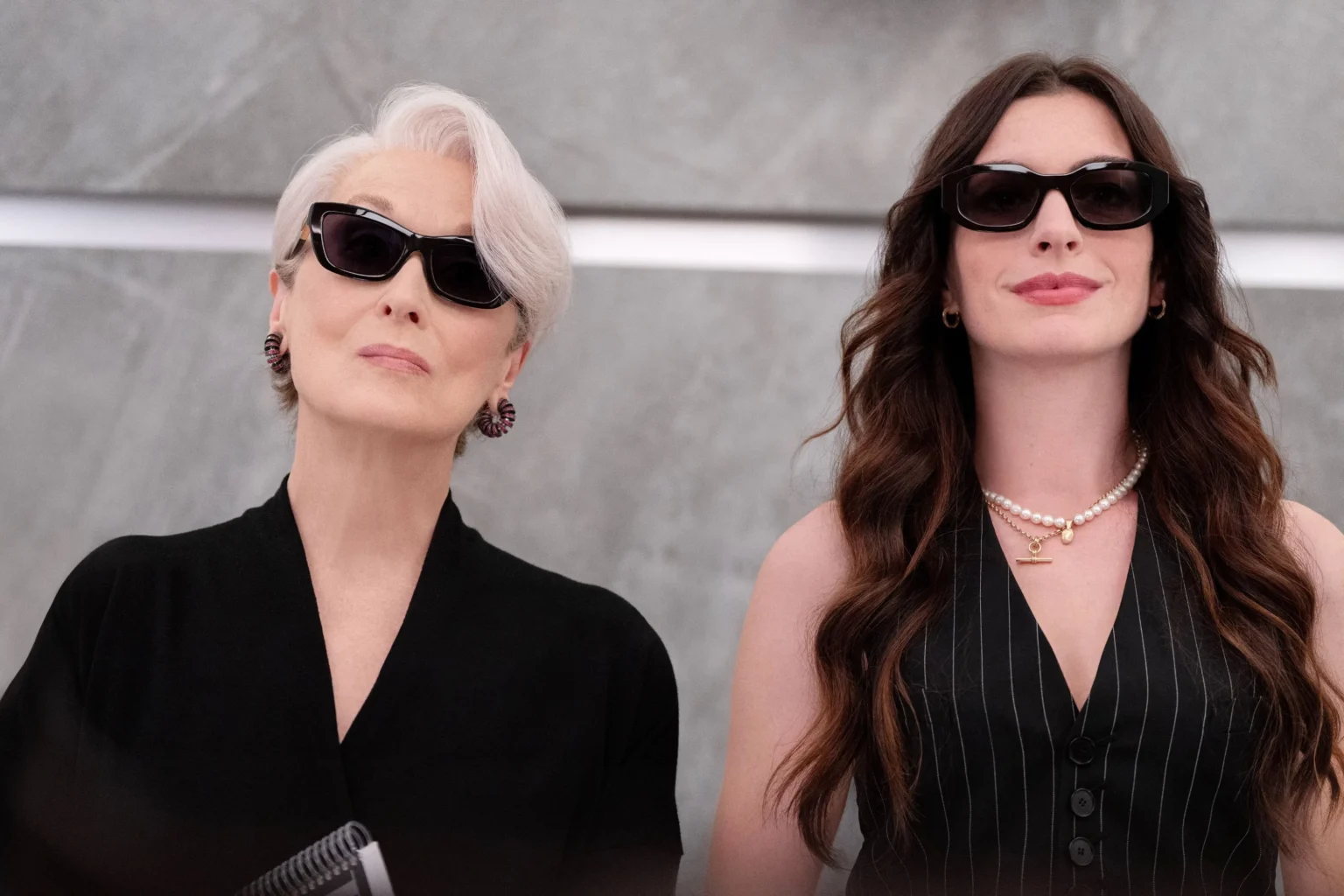
Two decades after the original film became a cultural touchstone, The Devil Wears Prada 2 returns with familiar faces, updated industry satire, and a clear attempt to reflect how much the media world has changed. What it delivers is polished, occasionally sharp, but ultimately less impactful than its predecessor.
The film brings back Anne Hathaway as Andy Sachs, now an experienced journalist navigating a collapsing media landscape where legacy publications are fighting for survival. Gone is the wide-eyed assistant; in her place is a more composed, morally grounded professional trying to reconcile integrity with industry survival.
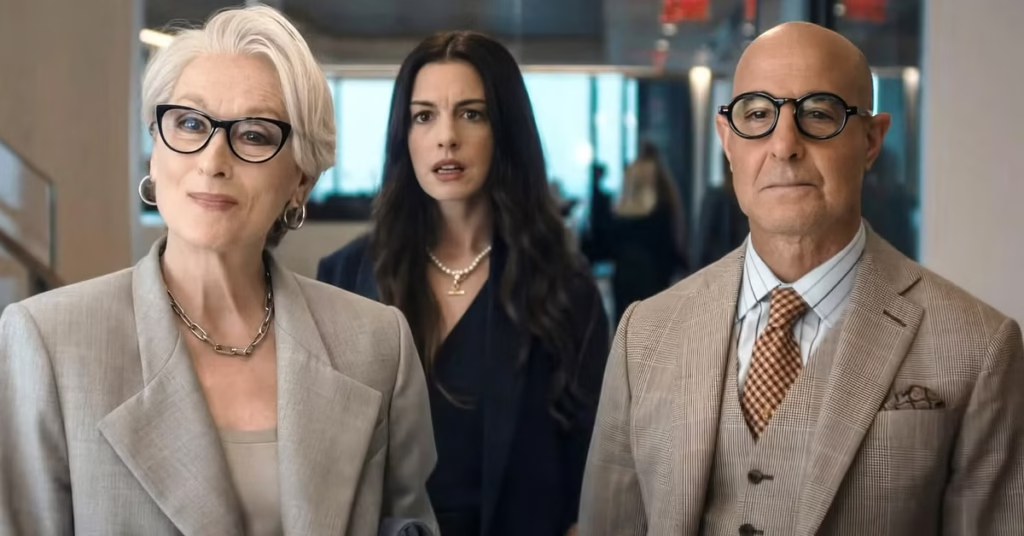
At the center once again is Miranda Priestly, with Meryl Streep delivering another controlled, magnetic performance. Streep remains the film’s strongest asset. Her Miranda is less about shock and more about precision—every line delivered with the same icy restraint that made the character iconic. Even when the script leans on repetition, she elevates it.
The sequel’s biggest ambition is its attempt to modernize the story. The world of Runway is now under pressure from digital disruption, corporate consolidation, and the erosion of traditional journalism. The film touches on layoffs, algorithm-driven media, and the shrinking space for legacy publishing. These ideas are timely and relevant, but they often remain surface-level rather than fully explored.
Narratively, the film mirrors the structure of the original more than it expands on it. The mentor-protégé dynamic between Miranda and Andy is re-established quickly, but without the same emotional tension that once made it compelling. Andy’s growth is clear, but it feels predictable rather than transformative.
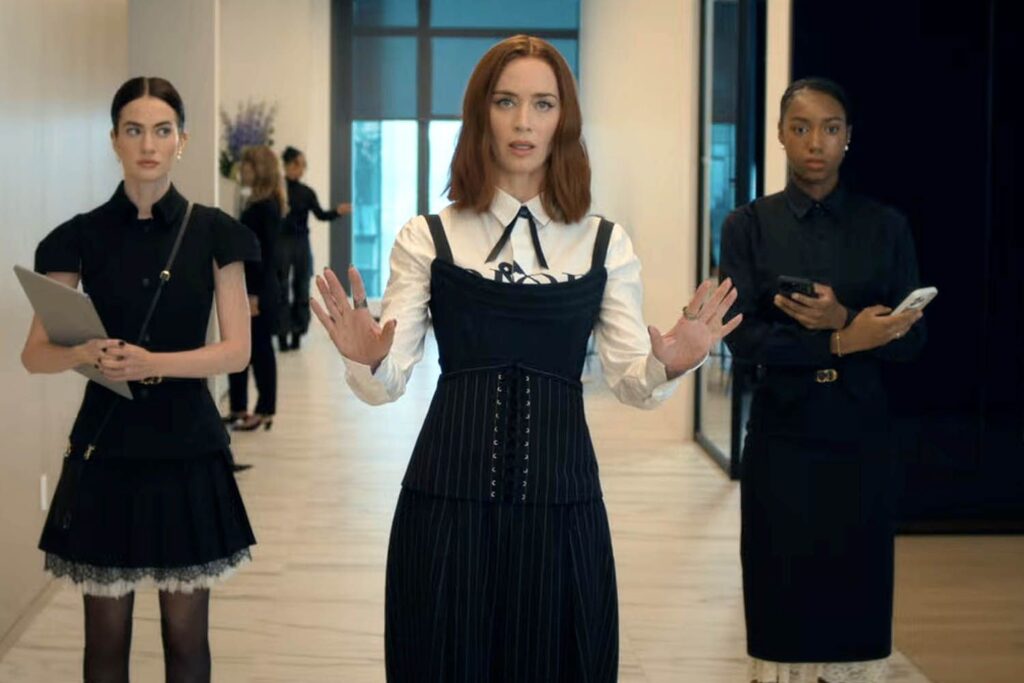
Visually, the film maintains a sleek fashion aesthetic, though it lacks some of the sharper visual identity that defined the first installment. The costumes remain a highlight, continuing the franchise’s tradition of turning fashion into storytelling. However, the overall tone feels more restrained, less playful, and occasionally overly polished.
Where the film works best is in its performances and nostalgia factor. Returning cast chemistry keeps the experience engaging, and there are moments that echo the wit and bite of the original. But those moments are fleeting.
Ultimately, The Devil Wears Prada 2 is a film that understands what made its predecessor special, but struggles to recreate it in a way that feels fresh. It reflects a modern media world in flux, yet its own storytelling feels cautious—more tribute than reinvention.
It is enjoyable, stylish, and competently made, but it never quite finds the sharp edge that made the original unforgettable.
Rating: ★★★☆☆ (3/5)