


Fish oil has long been promoted as a supplement that supports brain health, memory, and overall cognitive function. However, new scientific findings suggest that its effects may not be entirely beneficial in every situation.
A recent study led by researchers at the Medical University of South Carolina has raised questions about how one of the key omega-3 fatty acids found in fish oil—eicosapentaenoic acid (EPA)—behaves in the brain after injury.
Study Focuses on Brain Injury Recovery
The research, led by neuroscientist Onder Albayram, examined how the brain repairs itself following repeated mild head injuries. Scientists focused on the biological systems responsible for restoring blood vessels and repairing damaged tissue.
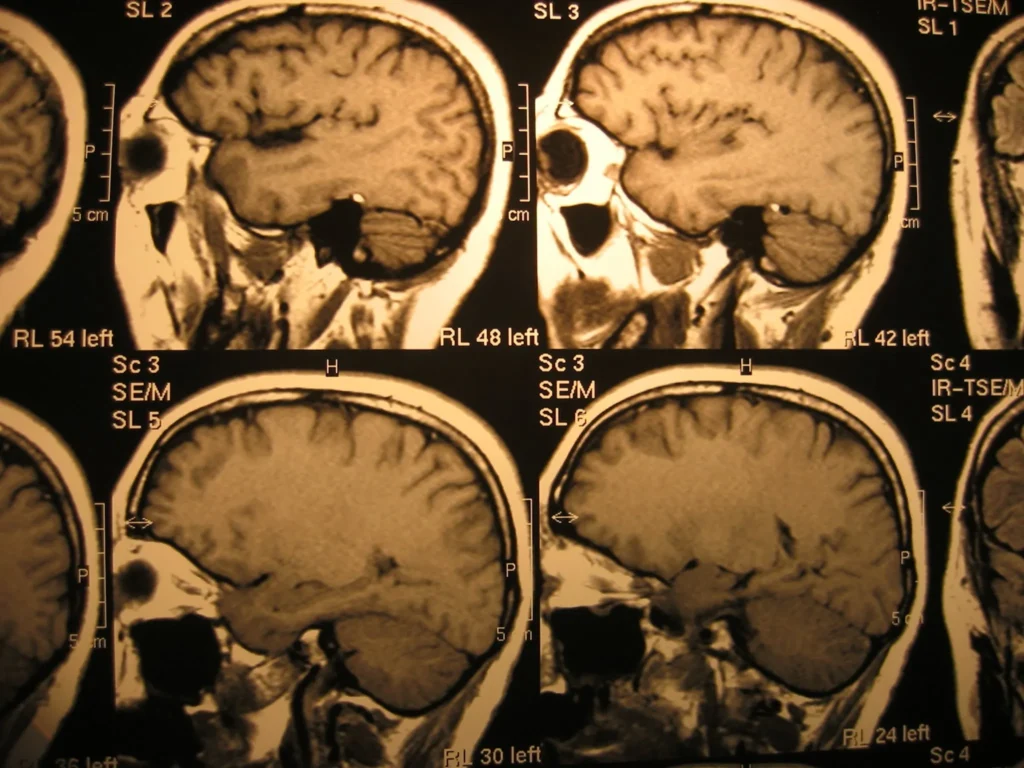
Their findings suggest that higher levels of EPA may be linked to weaker recovery processes in certain conditions.
Unexpected Role of EPA in the Brain
EPA, one of the primary omega-3 fatty acids found in fish oil, is widely considered beneficial for heart and brain health. However, the study indicates that in specific cases of brain trauma, it may interfere with the brain’s natural repair mechanisms.
Researchers observed that changes in cellular energy processing could reduce the brain’s ability to recover effectively after injury.
Potential Link to Cognitive Decline
The study also suggests a possible connection between elevated EPA levels and the buildup of proteins associated with long-term neurological conditions, including those linked to repeated head trauma.
While the findings do not suggest fish oil is harmful in general, they highlight that its effects may depend heavily on context and individual health conditions.
Growing Popularity of Omega-3 Supplements
Interest in omega-3 supplements has increased significantly in recent years, according to industry data from Fortune Business Insights.
Fish oil is now widely available not only in capsules but also in functional foods such as drinks, dairy alternatives, and snacks, making it one of the most common dietary supplements worldwide.
Scientists Call for More Research
Researchers behind the study caution that more work is needed to fully understand how omega-3 fatty acids affect brain function over time.
They emphasize that while fish oil remains widely used, its neurological effects—particularly after brain injury—are still not fully understood.
What This Means for Consumers
The findings suggest that fish oil supplements may not have a one-size-fits-all effect on brain health. Instead, their impact may vary depending on individual health conditions and exposure to neurological stress or injury.
As research continues, scientists hope to better define when omega-3 supplements are beneficial—and when they may need to be used more carefully.