

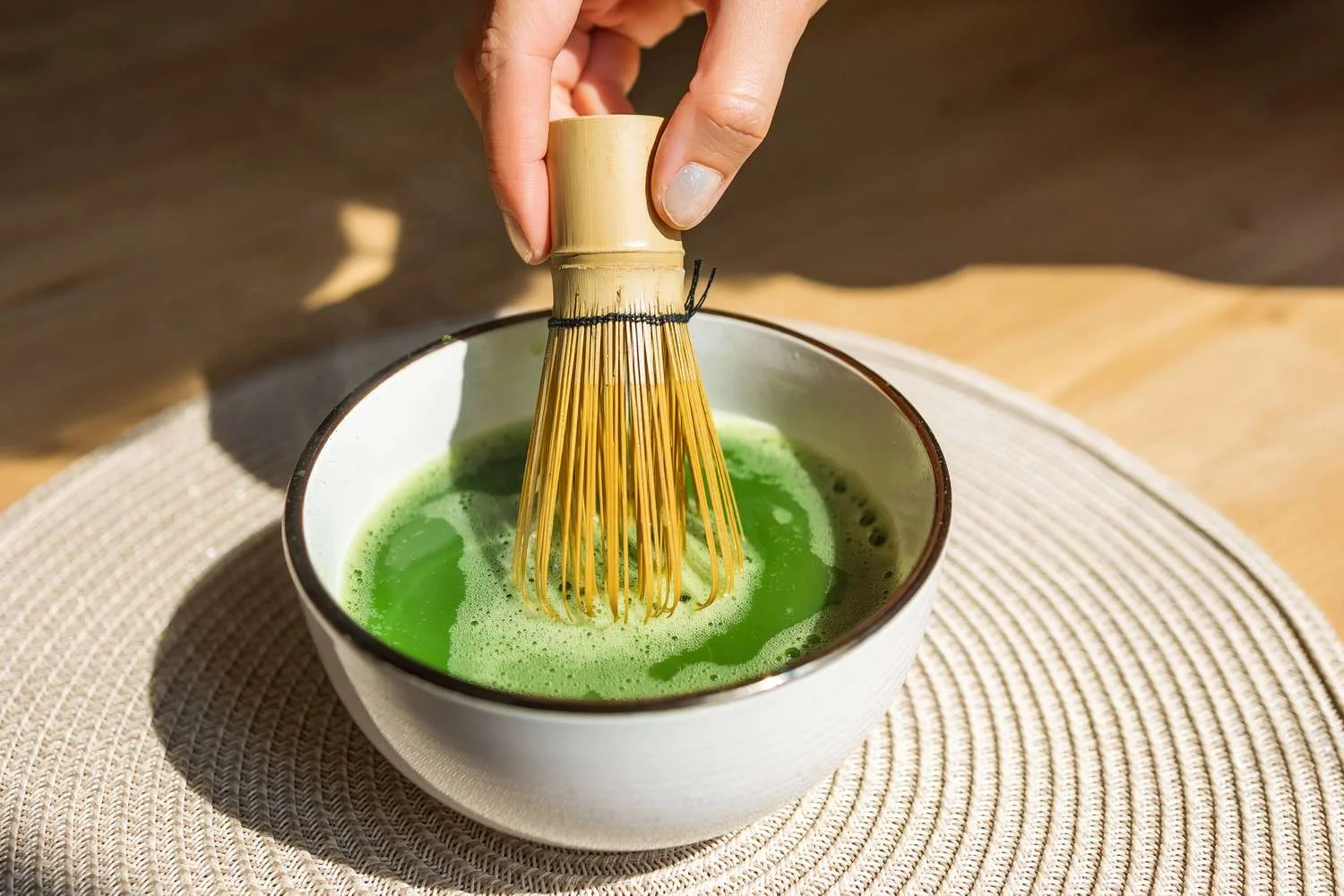
A new scientific study suggests that matcha may have a surprising effect on seasonal allergy symptoms, particularly in reducing sneezing responses.
Researchers from Hiroshima University, including professor Osamu Kaminuma, found that matcha extract reduced sneezing in animal models exposed to allergens, according to findings published in NPJ Science of Food.
Study Shows Reduced Sneezing Response
The research focused on how matcha affects allergy-like reactions in mice. Scientists observed that animals given matcha extract sneezed significantly less when exposed to allergens compared to those that were not.
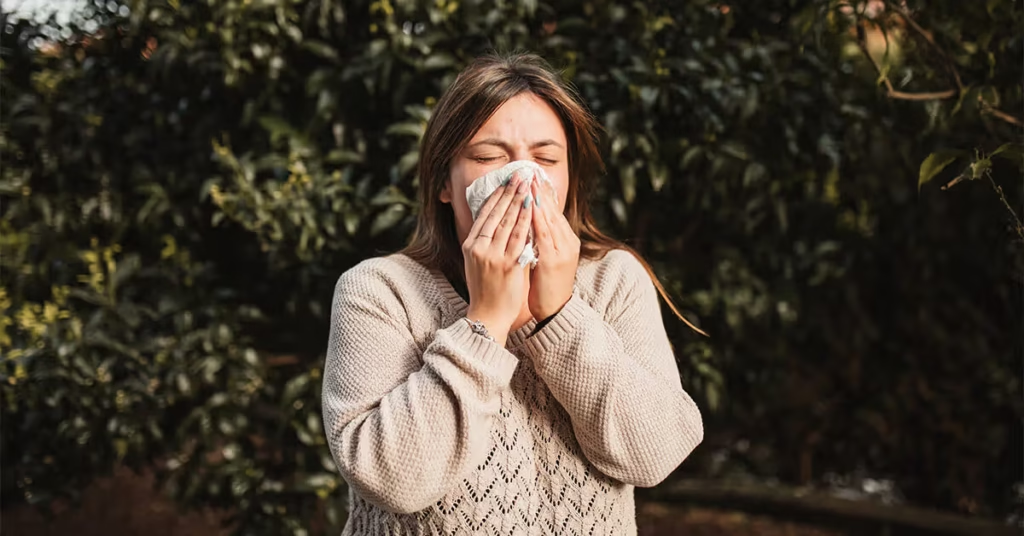
Interestingly, the study found that matcha did not interfere with key immune system functions such as IgE production, mast cells, or T cells. Instead, researchers believe the effect may be linked to reduced activity in the brainstem region that controls the sneezing reflex.
Expert Caution on Allergy Benefits
While the findings are promising, experts emphasize that matcha is not a cure for allergies.
Kaminuma noted that matcha is unlikely to provide a strong therapeutic effect on allergy itself, but may help reduce symptoms like sneezing.
Dietitian Keri Gans explained that compounds such as catechins, EGCG, and quercetin could play a role in easing symptoms like nasal irritation and itchy eyes.
However, she stressed that the results are based on animal studies and that human research is still needed before drawing firm conclusions.
Medical Experts Urge Moderation
Allergist Sebastian Lighvani called the findings “fascinating,” noting that matcha may influence neurological pathways related to sneezing.
Another expert, David Corry from Baylor College of Medicine, advised caution, warning against excessive consumption and recommending moderation.
Not a Replacement for Treatment
Doctors stress that while matcha may offer supportive benefits, it should not replace standard allergy treatments.
Seasonal allergy sufferers are still advised to rely on medically approved medications for full symptom control, especially during peak allergy seasons.
Early but Promising Findings
Although the study suggests potential benefits, researchers highlight that the doses used in experiments were much higher than typical human consumption.
As a result, scientists agree that further clinical trials are necessary before matcha can be considered a reliable remedy for allergy relief in humans.