
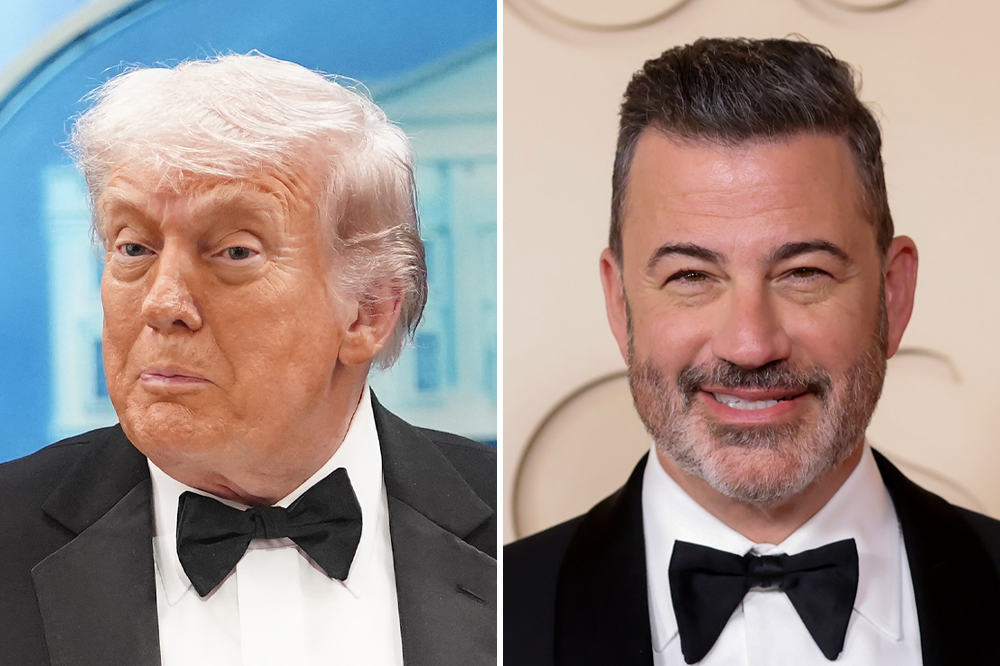
Donald Trump has launched a fiery attack on late-night host Jimmy Kimmel, escalating a long-running feud between the two public figures.
The backlash comes shortly after Melania Trump publicly criticized Kimmel for remarks made during his show, which the former president described as “shocking” and offensive.
The Joke That Sparked the Controversy
During a recent episode, Kimmel reportedly aired a manipulated clip depicting Melania and Barron Trump as if they were present in the studio audience. Trump strongly objected to the segment, calling it misleading and inappropriate.
The situation intensified when Kimmel made a controversial joke about the First Lady, commenting on her appearance and using the phrase “expectant widow”—a remark that quickly drew backlash from Trump and his supporters.
Trump Connects Remarks to Security Scare
In his response, Trump linked the late-night joke to a disturbing incident at the White House Correspondents’ Dinner. He claimed that a heavily armed individual attempted to enter the venue shortly after Kimmel’s remarks aired.
According to Trump, the individual carried multiple weapons and posed a serious threat, though details surrounding the incident remain limited.
Calls for ABC and Disney to Act
Trump took his criticism a step further by demanding consequences for Kimmel. He urged parent companies ABC and The Walt Disney Company to terminate the host.
Calling the comments “far beyond the pale,” Trump accused Kimmel of promoting harmful rhetoric and insisted that such behavior should not be tolerated on mainstream television.
A Longstanding Feud
This latest clash is part of an ongoing exchange between Trump and Kimmel, who have frequently criticized each other in public and on-air.
Kimmel has often used his platform to satirize Trump’s political career, while Trump has repeatedly dismissed the comedian’s show and ratings. Their back-and-forth highlights the broader tension between political figures and late-night media personalities.
Ongoing Debate Over Comedy and Boundaries
The controversy raises familiar questions about the limits of satire, freedom of expression, and the responsibilities of public figures in media.
As reactions continue to pour in, the incident is likely to fuel further debate over whether comedic commentary has crossed a line—or remains protected as part of political discourse.