

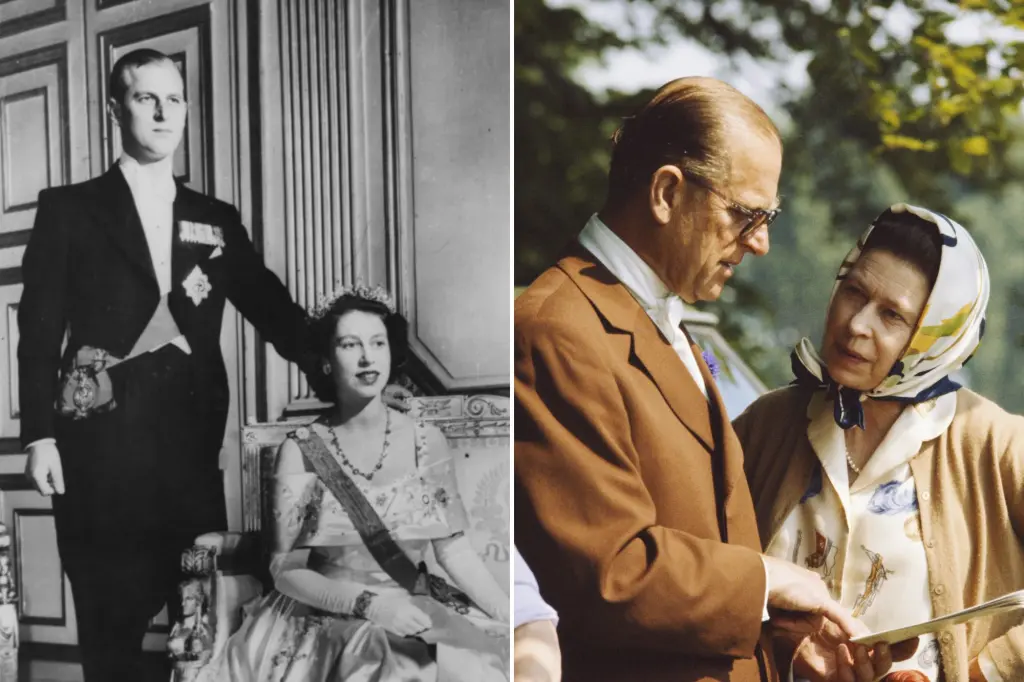
New revelations about the early years of Prince Philip and Queen Elizabeth II’s marriage suggest that their relationship faced significant challenges behind palace walls.
According to a royal biography, the late Duke of Edinburgh was reportedly prone to moments of frustration that occasionally led to tense exchanges with the Queen.
Author Reveals Reports of Frustration and Outbursts
In his book The Queen: 70 Chapters in the Life of Queen Elizabeth II, author Ian Lloyd claims that Prince Philip struggled with his role during the early years of Queen Elizabeth’s reign.
He writes that Philip’s frustration stemmed from being in a subordinate position, particularly as the Queen closely followed the guidance of palace officials and then-Prime Minister Winston Churchill.
This dynamic, Lloyd suggests, contributed to occasional outbursts of temper.
Witnesses Recall Tense Moments
According to the book, several of these incidents were witnessed by palace courtiers, friends, and members of the royal circle.
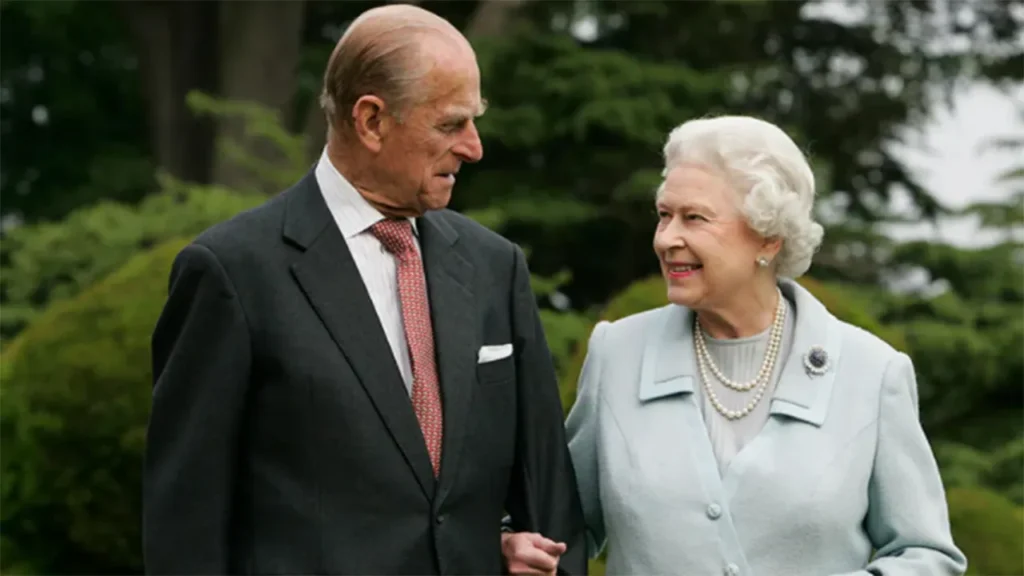
One former staff member reportedly recalled that Prince Philip could be “brutal” during heated moments, allegedly raising his voice and sharply criticizing the Queen.
Margaret Rhodes Shares Insight
The book also references recollections from Margaret Rhodes, a cousin of the Queen, who described Prince Philip’s tendency to react strongly in conversations.
Rhodes noted that he would sometimes abruptly challenge others, including the Queen, with forceful remarks. She suggested that such behavior could be unsettling, particularly in the formal environment of the royal household.
A Complex Royal Relationship
Despite these reported early tensions, Prince Philip and Queen Elizabeth II went on to share one of the longest marriages in royal history.
Over time, their relationship evolved into a strong partnership, with Prince Philip playing a key supporting role throughout the Queen’s decades-long reign.
A Glimpse Behind Palace Doors
These accounts offer a rare look into the private dynamics of the royal couple’s early years—highlighting the pressures of duty, hierarchy, and public life that shaped their relationship.
While such claims add depth to the narrative of their marriage, they also reflect the complexities faced by individuals living under constant public and institutional expectations.