


We acknowledge the significance of your online privacy and acknowledge that granting us permission to collect some personal information requires a great deal of trust. We seek this consent as it enables Distinct Post to offer a platform that amplifies the voices of the marginalized. By using this site, you agree to the Privacy Policy and Terms of Use.
Accept
Distinct PostDistinct Post
Aa
  • Home
  • Israel-Gaza Conflict
  • World
  • Entertainment
  • Style
  • Health
  • Sports
  • Business
  • Royals
Reading: Why Companies Are Spending More on AI Than on Employees in 2026
Share
Aa
Distinct PostDistinct Post
  • Home
  • Israel-Gaza Conflict
  • World
  • Entertainment
  • Style
  • Health
  • Sports
  • Business
  • Royals
Search
  • Home
  • Israel-Gaza Conflict
  • World
  • Entertainment
  • Style
  • Health
  • Sports
  • Business
  • Royals
Follow US
Distinct Post > Business > Tech > Why Companies Are Spending More on AI Than on Employees in 2026
Tech

Why Companies Are Spending More on AI Than on Employees in 2026

Alicia Brian Published April 26, 2026
SHARE

The rapid rise of artificial intelligence is reshaping corporate spending—but not in the way many expected. Instead of investing primarily in talent or hardware, companies are now pouring vast sums into token usage and compute power, signaling a major shift in how businesses operate.

Contents
Token Costs Reshape IT BudgetsCompute Now Costs More Than TalentAI Spending Boom Hits TrillionsBragging Rights—or Warning Signs?Pressure Mounts for ROIRising Competition Adds ComplexityA New Economic Reality

Token Costs Reshape IT Budgets

At Uber, the scale of this shift became clear when its Chief Technology Officer reportedly exhausted the company’s entire 2026 AI budget early—largely due to token costs rather than infrastructure or staffing.

While this may seem like an extreme case, industry experts say it reflects a broader trend across global enterprises as AI adoption accelerates.

Compute Now Costs More Than Talent

According to Bryan Catanzaro at Nvidia, compute expenses for some teams have already surpassed employee costs.

This reversal—where processing power outweighs human labor in cost—marks a significant turning point in the economics of technology. Just a few years ago, such a scenario would have seemed unlikely.

AI Spending Boom Hits Trillions

Research from Gartner estimates global IT spending will reach $6.31 trillion in 2026, a 13.5% increase from the previous year.
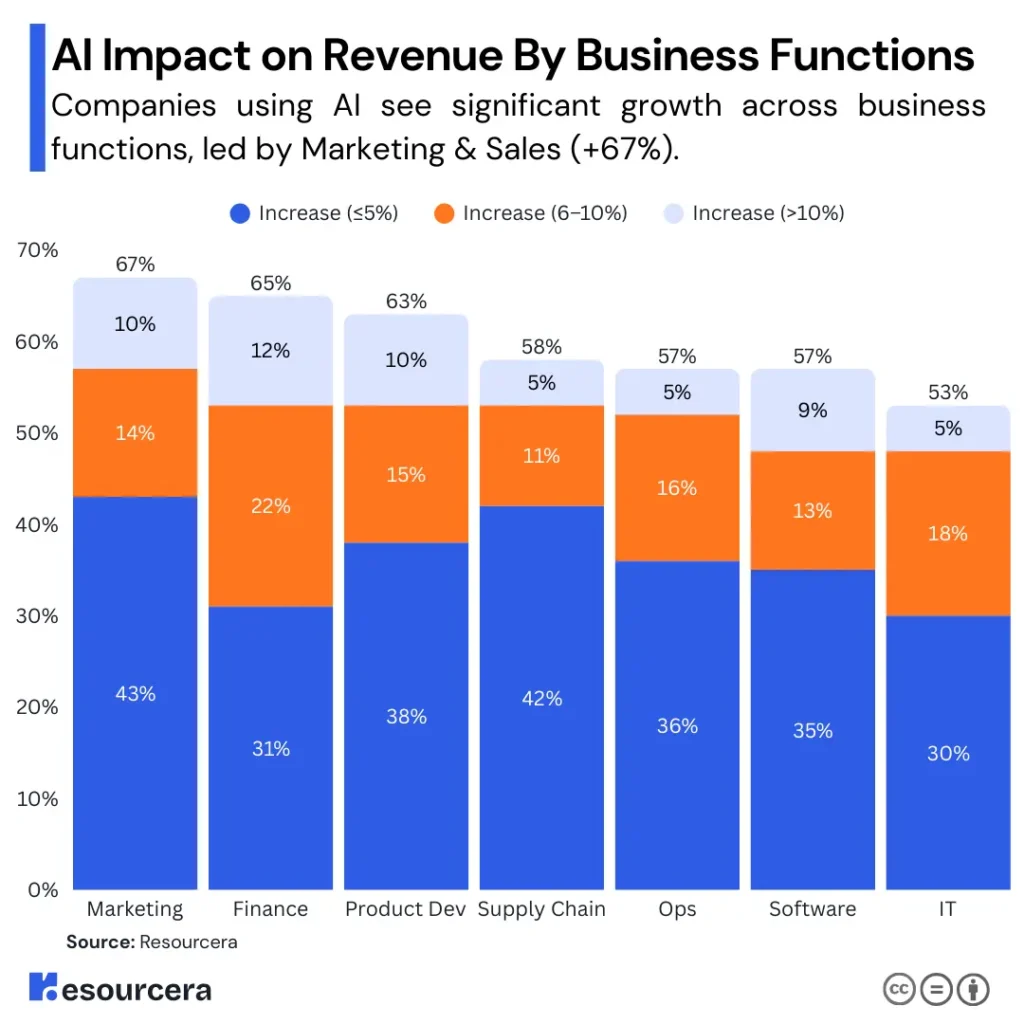
The surge is largely driven by AI-related investments, including infrastructure, enterprise software, cloud services, and subscriptions tied to large-scale model deployments.

Bragging Rights—or Warning Signs?

Some startups are openly embracing these rising costs. Amos Bar-Joseph of Swan AI even highlighted his company’s massive AI bill as a point of pride, framing it as proof of building a business powered by intelligence rather than headcount.

However, such spending raises questions about long-term sustainability—especially as investors begin to demand clear returns.

Pressure Mounts for ROI

Industry leaders say the conversation is shifting. Brad Owens of Asymbl notes that businesses are now questioning the true value of both human and digital workers.

This shift is increasingly reflected in boardroom discussions, where AI investments are being measured against productivity gains and profit margins.

Rising Competition Adds Complexity

Competition among AI developers is further complicating the landscape. Companies like OpenAI and Anthropic are constantly adjusting pricing models, impacting enterprise budgets.

Reports suggest that tools like Codex may offer more cost-efficient token usage compared to alternatives such as Claude, influencing how businesses allocate their AI spending.

A New Economic Reality

The explosion in AI costs signals more than just a technological shift—it reflects a broader transformation in how companies value resources.

As spending continues to climb, businesses face a critical question: can the productivity gains from AI justify the rapidly rising costs?

For now, the answer remains uncertain—but one thing is clear: the economics of the digital age are being rewritten in real time.

You Might Also Like

How Did a Gunman Breach Security at a Trump-Hosted Washington Event?

Fish Oil Brain Benefits Questioned as Study Links Omega-3 (EPA) to Slower Brain Repair After Injury

Majority of Americans Oppose Ending Birthright Citizenship as Supreme Court Ruling Looms

Gigi Hadid Shows Off Romantic Birthday Gift From Bradley Cooper on 31st Birthday

Adrian Grenier’s ‘Devil Wears Prada 2’ Cameo Cut Due to Timing Issues, Actor Reveals

TAGGED: trending
Alicia Brian April 26, 2026 April 26, 2026
Leave a comment

Leave a Reply Cancel reply

Your email address will not be published. Required fields are marked *

Popular News
EntertainmentRoyal

Prince Harry’s Explosive Memoir Causes Tension with Netflix Ahead of New Deal Announcement

Alicia Brian Alicia Brian August 13, 2025
Sean “Diddy” Combs’ Trial Takes Dramatic Turn as Former Assistant Testifies
Timothée Chalamet Faces Hollywood Backlash Over ‘Marty Supreme’ Promo Stunts and Public Comments
South Africa’s Ramaphosa expresses support for an expansion of the BRICS group
Meghan Markle Ignites Controversy by Allegedly Breaking Royal Agreement Established by Queen Elizabeth II

Categories

  • Market
  • Tech
  • Fitness
  • Food
  • Celebrity
  • Fashion
  • Beauty
  • Football
  • Cricket
  • Entertainment
    • Celebrity
    • Movies
    • Television
  • Style
    • Arts
    • Beauty
    • Fashion
  • Health
    • Fitness
    • Food
  • Sports
    • Baseball
    • Basketball
    • Cricket
    • Football
    • Olympics
  • Business
    • Market
    • Tech
Useful Links
  • About us
  • Privacy policy
  • Term Of Use

2023 © Distinct Post News & Media. All Rights Reserved.

Welcome Back!

Sign in to your account

Lost your password?